

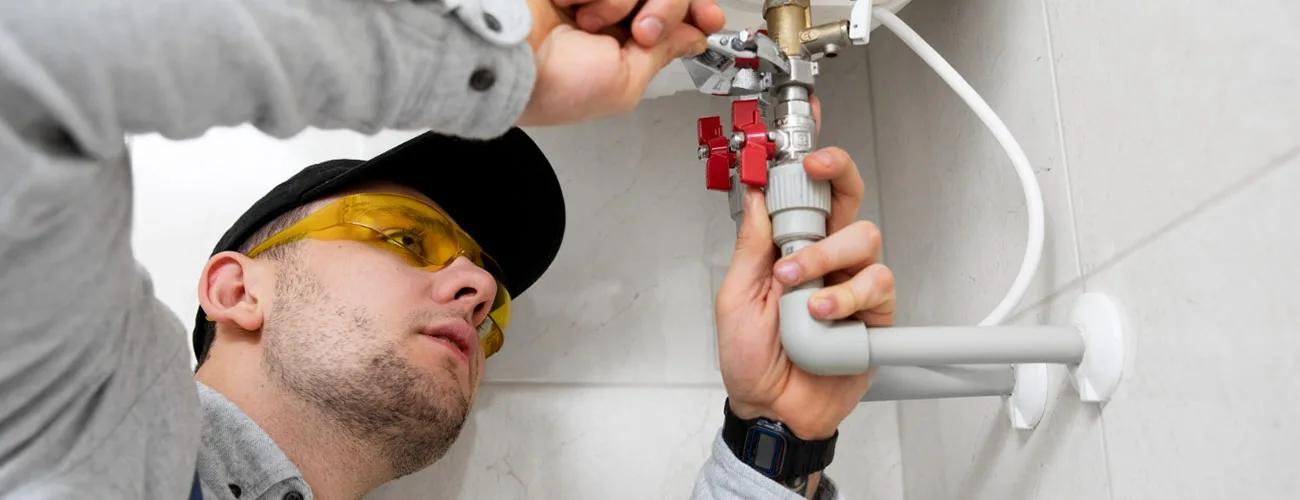
Plumbing is an essential component of every residential, commercial, and industrial building. It ensures the delivery of clean water, proper sanitation, and the safe disposal of wastewater. Beyond its basic functionality, plumbing affects health, safety, efficiency, and the overall sustainability of a property. Understanding plumbing systems, their design, maintenance, and innovations is crucial for homeowners, facility managers, and construction professionals.
Understanding the Role of Plumbing
Plumbing is more than pipes and fixtures; it is an integrated system designed to maintain hygiene, convenience, and efficiency.
Health and Safety Significance
- Clean Water Delivery: Plumbing ensures that potable water reaches kitchens, bathrooms, and other facilities without contamination.
- Wastewater Management: Proper plumbing prevents sewage backups, reducing exposure to pathogens and harmful bacteria.
- Fire Safety Systems: Plumbing systems often integrate fire sprinklers and emergency water supply systems.
Economic and Environmental Impact
- Property Value: A well-maintained plumbing system enhances property value and prevents costly repairs.
- Water Conservation: Efficient plumbing fixtures reduce water usage and lower utility bills.
- Energy Efficiency: Hot water systems, when optimized, can save energy while providing comfort and convenience.
Key Components of a Plumbing System
Plumbing systems consist of a combination of pipes, valves, fixtures, and appliances that work together to provide clean water and remove wastewater.
Water Supply System
- Description: Delivers potable water from the municipal supply or private wells to fixtures and appliances.
- Components: Pipes, valves, pumps, pressure regulators, and meters.
- Materials: Copper, PVC, PEX, CPVC, and galvanized steel, each with unique durability and installation considerations.
Drainage and Waste System
- Description: Safely transports wastewater away from the building to municipal sewage systems or septic tanks.
- Components: Waste pipes, traps, vents, and cleanouts.
- Design Considerations: Proper slope, venting, and pipe sizing are critical to prevent clogs and sewer gas intrusion.
Fixtures and Appliances
- Fixtures: Sinks, bathtubs, showers, toilets, bidets, and faucets.
- Appliances: Water heaters, dishwashers, washing machines, and sump pumps.
- Design Tip: Choose water-efficient fixtures certified by organizations such as WaterSense to minimize consumption.
Valves and Controls
- Shut-Off Valves: Allow localized water control for maintenance and emergencies.
- Pressure Regulators: Maintain consistent water pressure to prevent leaks and damage.
- Backflow Preventers: Prevent contaminated water from entering the clean water supply.
Types of Plumbing Systems
Modern plumbing can be categorized based on the type of water and function it supports.
Potable Water Systems
- Purpose: Deliver clean water for drinking, cooking, and hygiene.
- Key Considerations: Pipe material, filtration, and prevention of contamination are critical.
Hot Water Systems
- Types: Tank water heaters, tankless water heaters, and solar water heating systems.
- Efficiency: Tankless and solar systems offer energy savings while providing instant hot water.
Wastewater and Sewer Systems
- Sanitary Sewers: Carry household wastewater to municipal treatment plants.
- Stormwater Systems: Manage rainwater and prevent flooding.
- Septic Systems: Used in areas without municipal sewer access; require periodic maintenance.
Specialized Plumbing Systems
- Fire Sprinkler Systems: Integrated into commercial buildings for safety compliance.
- Gas Piping Systems: Deliver natural gas to appliances, requiring strict safety standards.
- Irrigation Systems: Provide water to landscaping while conserving resources through drip or automated systems.
Common Plumbing Issues and How to Address Them
Even well-designed plumbing systems can encounter problems. Early identification and resolution prevent extensive damage.
Leaks
- Signs: Water stains, low water pressure, or rising utility bills.
- Causes: Corroded pipes, loose connections, worn-out washers, or frozen pipes.
- Solutions: Replace damaged pipes, tighten fittings, or install pipe insulation to prevent freezing.
Clogs
- Signs: Slow drainage, gurgling sounds, or standing water in sinks or tubs.
- Causes: Accumulated grease, hair, soap scum, or foreign objects.
- Solutions: Use drain snakes, enzymatic cleaners, or professional hydro-jetting for severe blockages.
Water Pressure Problems
- Signs: Weak flow in showers, faucets, or toilets.
- Causes: Sediment buildup, faulty pressure regulators, or leaks.
- Solutions: Clean aerators, adjust regulators, or repair leaks.
Sewer Line Backups
- Signs: Foul odors, multiple clogged drains, or gurgling toilets.
- Causes: Blockages, tree root intrusion, or pipe damage.
- Solutions: Professional inspection using cameras, root removal, or pipe replacement.
Corrosion and Pipe Deterioration
- Signs: Rust-colored water, leaks, or reduced flow.
- Causes: Old galvanized steel pipes or acidic water.
- Solutions: Replace with corrosion-resistant materials such as PEX or copper.
Plumbing Maintenance Tips
Regular maintenance extends the life of plumbing systems, reduces repair costs, and ensures safety.
- Inspect Regularly: Check pipes, valves, and fixtures for leaks or signs of wear.
- Clean Drains Periodically: Use enzymatic or non-corrosive cleaners to prevent buildup.
- Flush Water Heaters: Remove sediment buildup to maintain efficiency and prevent damage.
- Insulate Pipes: Prevent freezing in cold climates and reduce heat loss in hot water lines.
- Check Water Pressure: Ensure it remains within recommended levels (usually 40–60 psi).
- Professional Inspection: Schedule periodic inspections by licensed plumbers to detect hidden issues.
Modern Plumbing Innovations
Advances in technology have transformed plumbing, making systems more efficient, sustainable, and user-friendly.
Smart Plumbing Systems
- Leak Detectors: Sensors that alert homeowners of leaks via mobile apps.
- Smart Faucets: Touchless operation reduces water wastage and promotes hygiene.
- Remote Monitoring: Systems allow real-time monitoring of water usage, pressure, and temperature.
Water Conservation Technologies
- Dual-Flush Toilets: Offer options for liquid or solid waste, conserving water.
- Low-Flow Fixtures: Reduce water usage without compromising performance.
- Greywater Systems: Reuse wastewater from sinks, showers, or laundry for irrigation.
Sustainable Plumbing Materials
- PEX Piping: Flexible, durable, and resistant to freezing or corrosion.
- Copper Piping: Long-lasting, naturally antimicrobial, and recyclable.
- Composite Materials: Offer lightweight, corrosion-resistant alternatives for specific applications.
Advanced Water Heating Solutions
- Tankless Systems: Provide hot water on demand, reducing energy consumption.
- Solar Water Heaters: Use renewable energy to heat water efficiently.
- Heat Pump Water Heaters: Extract ambient heat to heat water, reducing energy use significantly.
DIY vs. Professional Plumbing
While minor tasks can be handled by homeowners, certain issues require licensed professionals.
DIY Tasks
- Unclogging minor drains using plungers or drain snakes.
- Replacing faucet washers or aerators.
- Insulating exposed pipes.
- Cleaning accessible vent stacks or showerheads.
Professional Tasks
- Major pipe repairs or replacements.
- Sewer line inspection and cleaning.
- Installation of complex water heating systems.
- Gas line modifications or installation.
- Comprehensive leak detection or plumbing system redesigns.
Safety and Compliance
Plumbing systems must adhere to building codes and safety regulations to protect occupants and ensure functionality.
- Building Codes: Ensure proper pipe sizing, venting, fixture installation, and backflow prevention.
- Water Quality Standards: Maintain safe drinking water according to EPA or local guidelines.
- Emergency Preparedness: Install accessible shut-off valves and ensure proper labeling.
- Fire Safety: Integrate fire suppression systems where required by local regulations.
FAQs About Plumbing
Q1: How often should plumbing systems be inspected?
Plumbing systems should undergo a professional inspection at least once every 1–2 years. Key components like water heaters, sewer lines, and pressure regulators require special attention.
Q2: What is the most durable type of pipe for residential plumbing?
PEX and copper pipes are considered highly durable. PEX is flexible, resistant to freezing, and easy to install, while copper is long-lasting and naturally antimicrobial.
Q3: Can I save water with my existing plumbing fixtures?
Yes, replacing old faucets, showerheads, and toilets with low-flow or WaterSense-certified fixtures can significantly reduce water usage.
Q4: How do I prevent my pipes from freezing in winter?
Insulate exposed pipes, maintain indoor temperatures above freezing, and consider pipe heating cables for extreme climates.