

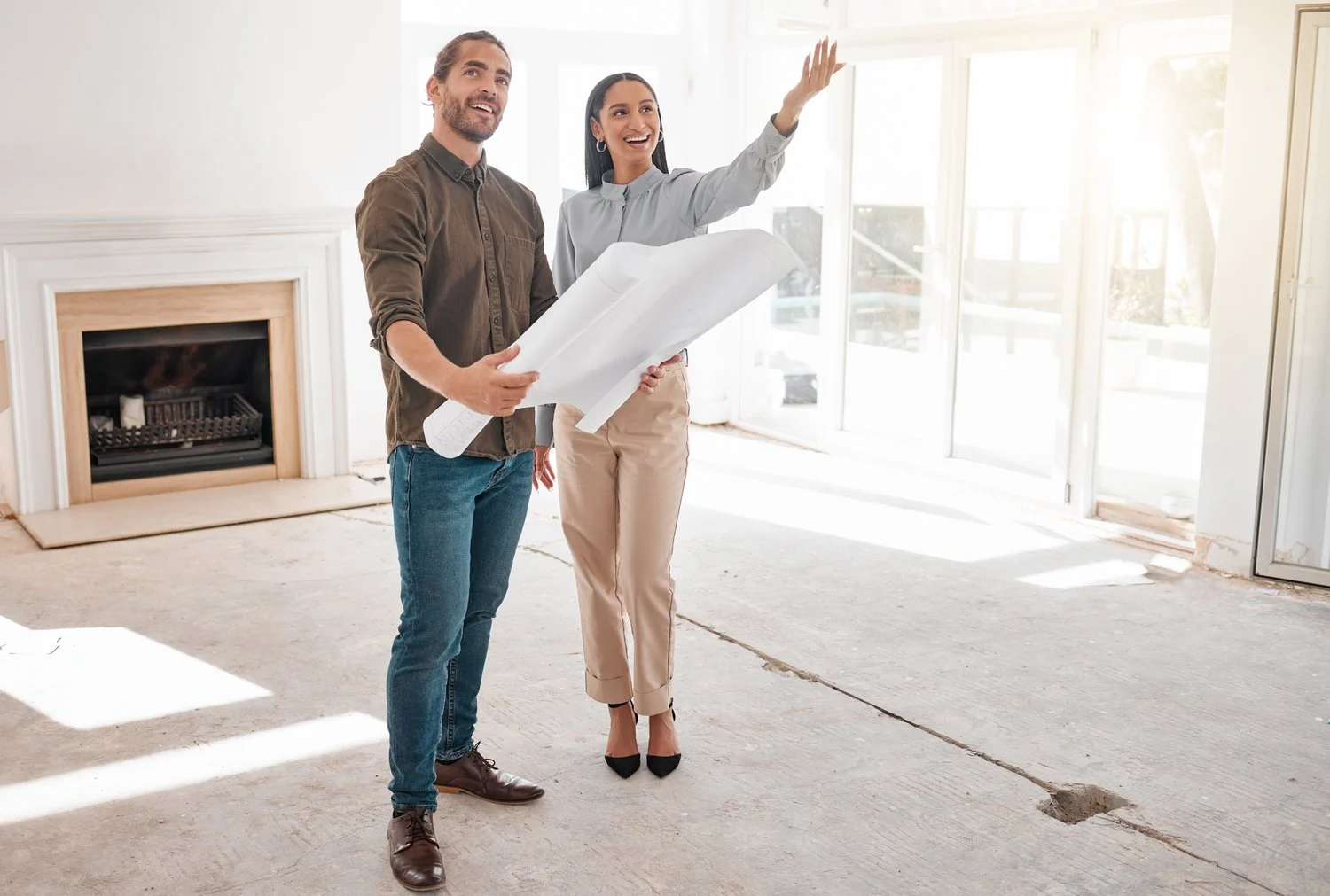
Renovation is more than simply updating a space; it is a strategic process that blends functionality, aesthetics, and efficiency. Whether you are modernizing a home, revitalizing a commercial property, or repurposing an older structure, renovation requires careful planning, attention to detail, and informed decision-making. A well-executed renovation not only improves visual appeal but also enhances structural integrity, energy efficiency, and property value.
Understanding Renovation
Renovation refers to the process of improving, updating, or restoring an existing building or interior space. Unlike new construction, renovation deals with existing structures, which requires careful evaluation of current conditions, systems, and materials. Renovation can involve minor cosmetic upgrades or major structural overhauls, depending on goals, budget, and scope.
Types of Renovation Projects
- Residential Renovation: Upgrading kitchens, bathrooms, living areas, basements, or entire homes.
- Commercial Renovation: Revamping offices, retail spaces, or hospitality venues to improve functionality and brand identity.
- Historical Renovation: Restoring heritage buildings while preserving architectural features and complying with preservation regulations.
- Eco-Friendly Renovation: Implementing sustainable practices, such as energy-efficient systems, green materials, and water-saving fixtures.
The Purpose of Renovation
- Enhanced Functionality: Redesigning spaces to better suit the lifestyle or business operations of occupants.
- Aesthetic Improvement: Modernizing interiors and exteriors to reflect contemporary design trends or personal preferences.
- Structural Integrity: Addressing wear and tear, water damage, or outdated construction methods to ensure safety.
- Energy Efficiency: Installing insulation, energy-efficient windows, or modern HVAC systems to reduce costs and environmental impact.
- Property Value: Well-executed renovations can significantly increase resale value or rental income potential.
Planning a Renovation Project
Successful renovation begins with meticulous planning. A comprehensive approach ensures timelines, budgets, and goals are realistic and achievable.
Assessing the Space
- Structural Evaluation: Inspect foundations, load-bearing walls, roofing, and flooring to determine structural soundness.
- Utility Inspection: Check plumbing, electrical, HVAC, and drainage systems for potential upgrades or repairs.
- Condition Analysis: Identify areas affected by water damage, mold, pests, or decay.
Defining Goals and Budget
- Set Clear Objectives: Determine if the focus is functional improvement, aesthetic enhancement, or both.
- Create a Realistic Budget: Include costs for materials, labor, permits, and contingency for unforeseen issues.
- Prioritize Renovation Tasks: Identify which elements are essential versus optional to prevent budget overruns.
Designing the Renovation
- Layout Planning: Optimize space usage, traffic flow, and natural lighting.
- Material Selection: Choose durable, sustainable, and visually appealing materials.
- Style Consistency: Ensure design choices align with the desired theme or brand identity.
- Technology Integration: Consider smart home or office systems, energy-efficient appliances, and automated controls.
Key Stages of Renovation
Renovation projects are typically divided into distinct stages to ensure smooth execution.
1. Pre-Renovation Preparation
- Documentation: Obtain necessary permits and approvals from local authorities.
- Scheduling: Establish realistic timelines and milestones.
- Site Preparation: Clear furniture, protect existing finishes, and secure the area.
2. Demolition and Structural Work
- Selective Demolition: Remove only areas that require renovation to minimize waste and preserve existing structures.
- Structural Modifications: Reinforce foundations, add beams, or open walls for new layouts.
- Hazard Management: Handle asbestos, lead paint, or mold professionally to ensure safety.
3. Systems Upgrades
- Electrical Systems: Update wiring, outlets, switches, and lighting to meet modern standards and load requirements.
- Plumbing Systems: Replace old pipes, fixtures, and install efficient water systems.
- HVAC Systems: Ensure proper heating, ventilation, and cooling to improve comfort and energy efficiency.
- Insulation and Waterproofing: Prevent energy loss and water damage by upgrading insulation and sealing leaks.
4. Finishing and Aesthetics
- Flooring and Walls: Install new tiles, hardwood, laminate, or carpets; paint or wallpaper walls with contemporary colors.
- Cabinetry and Fixtures: Upgrade kitchens, bathrooms, and storage areas with high-quality cabinets and hardware.
- Lighting: Integrate ambient, task, and accent lighting to enhance the atmosphere.
- Decorative Elements: Include moldings, trims, wall panels, or artistic features to elevate the visual appeal.
5. Final Inspection and Handover
- Quality Control: Inspect all work for compliance with design specifications, safety codes, and functionality.
- Testing Systems: Ensure plumbing, electrical, and HVAC systems operate efficiently.
- Cleaning and Staging: Remove debris, polish finishes, and prepare the space for use or showcasing.
Common Challenges in Renovation
Renovation projects often involve unforeseen complications. Being aware of these challenges helps in proactive management.
- Budget Overruns: Unexpected repairs, material price fluctuations, or design changes can increase costs.
- Structural Issues: Hidden damage in foundations, walls, or roofs can require significant adjustments.
- Permit Delays: Local regulations may slow down project approval and scheduling.
- Disruption: Living or operating within a space during renovation requires careful planning to minimize inconvenience.
- Material Availability: Sourcing specific finishes or appliances may take longer than anticipated.
Renovation Tips for Optimal Results
- Hire Experienced Professionals: Architects, interior designers, and licensed contractors bring expertise to complex projects.
- Use Sustainable Materials: Bamboo, reclaimed wood, low-VOC paints, and recycled composites are eco-friendly choices.
- Incorporate Energy Efficiency: Install LED lighting, solar panels, or high-performance insulation.
- Plan for Future Needs: Design flexible spaces that can adapt to changing requirements or technology upgrades.
- Regular Communication: Maintain consistent updates with contractors and designers to address issues promptly.
Modern Trends in Renovation
- Open-Concept Layouts: Removing walls to create spacious, multi-functional areas.
- Smart Homes and Offices: Automated lighting, climate control, security, and appliance management.
- Natural Materials: Stone, wood, and metals that bring warmth and texture.
- Biophilic Design: Incorporating plants, natural light, and outdoor views to improve wellbeing.
- Minimalist Interiors: Simplified designs with clean lines, neutral colors, and functional furniture.
Cost Considerations
Renovation costs vary widely depending on project scale, location, and materials. Typical expense breakdown:
- Labor: 30–50% of total costs, including contractors, designers, and specialized trades.
- Materials: 25–40% of total costs, depending on quality and brand.
- Permits and Fees: 5–10%, varying by local regulations.
- Contingency: 10–15% to cover unforeseen issues.
FAQs About Renovation
Q1: How long does a typical home renovation take?
The duration depends on project complexity. Minor updates can take 2–4 weeks, while major renovations may take 3–6 months or longer.
Q2: Can renovation increase property value?
Yes. Strategic upgrades such as kitchens, bathrooms, energy-efficient systems, and aesthetic improvements can significantly increase resale value.
Q3: Should I live in my home during renovation?
For small projects, yes. However, major renovations may require temporary relocation due to noise, dust, and limited access.
Q4: How do I choose the right contractor?
Check licenses, experience, past projects, references, and ensure transparent communication and written contracts.
Q5: Are eco-friendly renovations more expensive?
Sustainable materials may have higher upfront costs, but long-term savings through energy efficiency and durability often offset initial expenses.
Q6: What is the difference between renovation and remodeling?
Renovation focuses on restoring or updating existing structures, while remodeling involves changing layouts, structures, or functionality.
Q7: How can I manage unexpected renovation costs?
Set aside a contingency fund, prioritize essential tasks, and maintain clear communication with contractors about potential changes or overruns.
Conclusion
Renovation is a complex yet rewarding process that combines creativity, technical expertise, and strategic planning. By carefully assessing existing structures, defining clear goals, and executing thoughtful designs, property owners can transform their spaces into functional, visually appealing, and sustainable environments. With modern trends, energy-efficient solutions, and a professional approach, renovation not only enhances comfort and aesthetics but also provides long-term value and improved quality of life.