

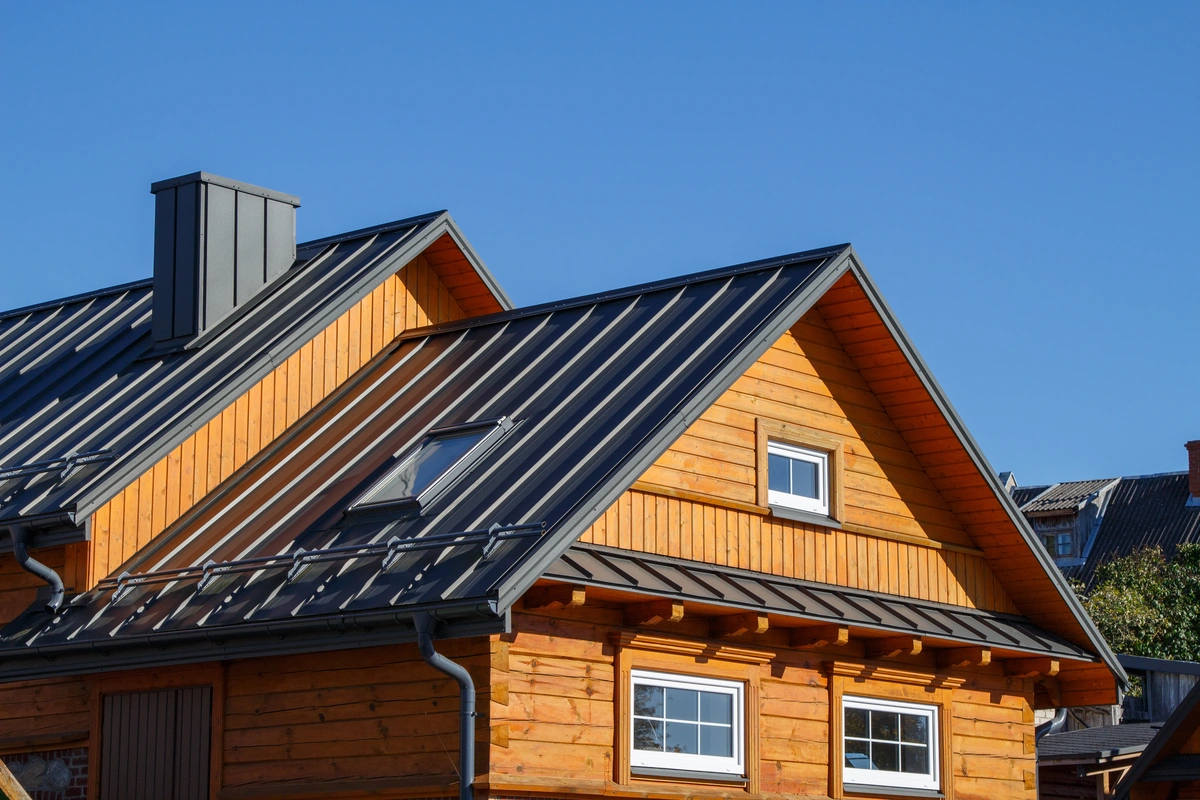
Roofing is one of the most critical components of any structure. It provides protection against environmental elements, contributes to energy efficiency, and significantly impacts the overall aesthetic of a property. Understanding roofing requires more than just picking a style; it involves knowledge of materials, structural integrity, climate considerations, maintenance practices, and long-term planning. Proper roofing installation and upkeep can prevent costly repairs, improve home comfort, and enhance property value.
Understanding Roofing
Roofing refers to the construction or covering that forms the top layer of a building. It serves as a barrier against rain, snow, wind, sun, and temperature extremes while providing structural support. A well-designed roof balances durability, functionality, and design aesthetics.
Primary Functions of Roofing
- Weather Protection: Shields the interior from precipitation, UV radiation, and temperature fluctuations.
- Energy Efficiency: Insulates the building to maintain internal temperatures and reduce energy costs.
- Structural Support: Works with walls and framing to maintain the building’s integrity.
- Aesthetic Contribution: Complements architectural style and enhances curb appeal.
- Water Management: Channels rainwater safely through gutters and downspouts to prevent damage.
Types of Roofing Systems
- Asphalt Shingle Roofing: Popular for residential use due to affordability, ease of installation, and variety of colors.
- Metal Roofing: Durable, fire-resistant, and energy-efficient, often used for both residential and commercial properties.
- Clay and Concrete Tiles: Known for longevity and classic aesthetics, particularly in Mediterranean or Southwestern architecture.
- Slate Roofing: High-end, extremely durable natural stone material requiring professional installation.
- Wood Shingles and Shakes: Offers a natural appearance, but requires maintenance to prevent rot and fire hazards.
- Flat Roofs: Common in commercial buildings, often constructed with membrane materials like TPO, EPDM, or modified bitumen.
- Green Roofs: Incorporates vegetation for insulation, stormwater management, and environmental benefits.
Planning a Roofing Project
Successful roofing projects require careful planning to ensure structural integrity, longevity, and compliance with local regulations.
Assessing Roofing Needs
- Structural Evaluation: Determine the capacity of the existing framing to support new roofing materials.
- Climate Considerations: Factor in snow load, rainfall, wind speed, and sun exposure when selecting materials.
- Aesthetic Goals: Choose materials and colors that complement the property’s design.
- Budgeting: Balance cost, durability, and maintenance needs for long-term value.
Selecting Materials
- Durability: Consider the lifespan of materials; asphalt shingles typically last 20–30 years, while metal and slate can last 50+ years.
- Maintenance Requirements: Some materials, like wood shingles, require periodic treatments, while metal or slate demands minimal maintenance.
- Energy Efficiency: Light-colored or reflective roofing materials can reduce cooling costs in warmer climates.
- Fire and Impact Resistance: Evaluate roofing based on local fire codes and potential hail or debris impact.
Installation Process
Roofing installation involves precise workmanship to ensure longevity, safety, and performance. Proper installation mitigates leaks, reduces energy loss, and extends material life.
Key Steps in Roofing Installation
- Removing Old Roofing: Tear off damaged or outdated layers to inspect the underlying structure.
- Repairing Decking: Replace or reinforce damaged plywood or sheathing to provide a stable foundation.
- Installing Underlayment: A waterproof layer that adds protection against moisture penetration.
- Applying Flashing: Metal or waterproof material around chimneys, vents, and edges to prevent leaks.
- Installing Roofing Material: Shingles, tiles, or metal panels are applied according to manufacturer guidelines.
- Finishing Touches: Ridge caps, gutter alignment, and roof ventilation systems are installed to complete the roof.
Roof Ventilation and Insulation
Proper ventilation prevents heat buildup, reduces moisture accumulation, and extends roof life. Common methods include ridge vents, soffit vents, and attic fans. Insulation complements roofing performance by maintaining indoor temperature and minimizing energy consumption.
Maintenance and Longevity
Routine maintenance is essential to preserve roof integrity and prevent costly repairs. Neglecting maintenance can reduce the lifespan of even the most durable roofing materials.
Regular Maintenance Tasks
- Inspection: Check for missing or damaged shingles, rust, cracks, and signs of water damage.
- Cleaning: Remove debris such as leaves, branches, and dirt that can trap moisture.
- Gutter Maintenance: Keep gutters and downspouts clear to ensure proper water drainage.
- Sealant Check: Inspect caulking and flashing around vents, skylights, and chimneys.
- Moss and Algae Treatment: Apply specialized cleaning solutions to prevent organic growth from damaging the roof surface.
Signs of Roofing Problems
- Curling, cracking, or missing shingles
- Leaks or water stains on ceilings
- Sagging or uneven roofline
- Excessive granule loss from asphalt shingles
- Mold or mildew in attic spaces
Roofing Safety Considerations
Roofing work is inherently hazardous and requires adherence to safety standards.
- Personal Protective Equipment: Hard hats, harnesses, non-slip footwear, and gloves are essential.
- Weather Awareness: Avoid roofing during high winds, rain, or icy conditions.
- Professional Assistance: Complex roofs or steep pitches should be handled by licensed contractors.
- Fall Protection: Guardrails, roof anchors, and safety nets minimize the risk of accidents.
Modern Roofing Trends
- Cool Roofs: Reflective coatings reduce heat absorption, lowering cooling costs.
- Solar Integration: Photovoltaic panels can be incorporated into roofing materials.
- Architectural Shingles: Enhanced textures and patterns provide a visually appealing alternative to standard asphalt.
- Sustainable Materials: Recycled metal, rubber, or composite shingles reduce environmental impact.
- Smart Roofing: Sensors monitor moisture, temperature, and structural health for proactive maintenance.
Cost Considerations
Roofing costs vary based on materials, size, labor, and complexity. Typical cost breakdown:
- Material Costs: 30–50% of total expenses, depending on quality and type.
- Labor Costs: 40–50%, including removal, preparation, and installation.
- Permits and Inspection Fees: 5–10%, varying by locality.
- Contingency Budget: 10–15% for unexpected repairs or material shortages.
FAQs About Roofing
Q1: How long does a typical roof last?
Roof lifespan depends on material and maintenance. Asphalt shingles last 20–30 years, metal 40–70 years, and slate up to 100 years with proper care.
Q2: How do I know when to replace my roof?
Signs include leaks, missing shingles, excessive wear, sagging, or curling materials. Professional inspection provides accurate assessment.
Q3: Can I install a new roof over an old one?
While possible for some materials, overlaying can reduce ventilation, hide damage, and limit lifespan. Full removal is often recommended.
Q4: What is the difference between residential and commercial roofing?
Residential roofs are typically pitched with shingles or tiles, while commercial roofs are often flat or low-sloped, using membrane systems for waterproofing.
Q5: How can I improve my roof’s energy efficiency?
Install reflective or cool roofing materials, proper insulation, ventilation, and consider solar integration.
Q6: Are roofing warranties reliable?
Manufacturer warranties cover material defects, while contractor warranties cover workmanship. Always read terms and conditions carefully.
Q7: How often should I inspect my roof?
Twice a year, ideally in spring and fall, plus after major storms or extreme weather events.
Conclusion
Roofing is a fundamental aspect of building design, safety, and efficiency. From material selection to installation, maintenance, and modernization, roofing demands careful planning, technical knowledge, and ongoing attention. Investing in quality materials, professional installation, and regular inspections ensures a durable, energy-efficient, and visually appealing roof. By integrating modern trends, safety protocols, and proactive maintenance, property owners can protect their investment, enhance comfort, and elevate the overall value and aesthetics of their property.