

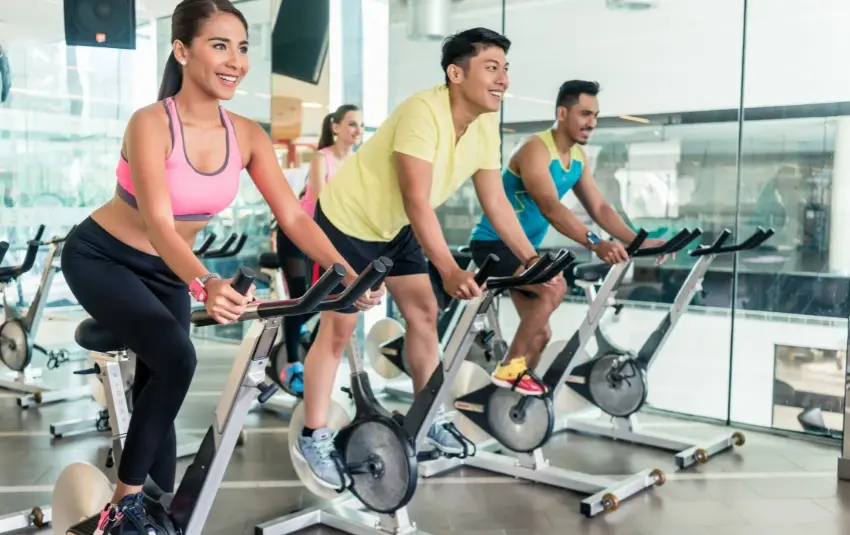
Balancing work, family, and personal time in a fast-paced city can be challenging. Many people find it difficult to maintain regular exercise routines when their schedules are unpredictable. This is where spinning classes come in, offering a structured yet flexible way to stay active. Designed to be efficient, engaging, and adaptable, RPM sessions allow busy Singaporeans to get maximum benefit from limited time. When planned well, they can become the cornerstone of a sustainable fitness routine even for those with the tightest calendars.
For those who are juggling professional commitments and family responsibilities, making time for exercise is more than a health goal. It is a necessity to sustain energy, manage stress, and maintain overall wellbeing. True Fitness Singapore provides an environment that supports this balance by offering consistent RPM schedules and a motivating atmosphere where members can thrive.
Understanding the Appeal of RPM Spinning
RPM, short for “revolutions per minute,” is a structured form of indoor cycling that focuses on cadence, resistance, and music to create a full-body cardiovascular workout. What sets it apart is its combination of high intensity with clear pacing. Riders can push themselves hard but also scale down depending on energy levels.
The appeal lies in several factors:
-
Efficiency: A typical class runs for 30 to 50 minutes, giving participants a complete workout in less than an hour.
-
Consistency: Weather or traffic will not affect your routine since sessions are indoors.
-
Community: Training alongside others provides motivation and accountability.
-
Adaptability: Riders can adjust resistance and pace without disrupting the group dynamic.
For someone working long office hours or managing household duties, this combination is invaluable.
The Time Challenge in Singapore’s Lifestyle
Singapore is known for its demanding work culture, with many professionals spending long hours in offices and commuting on busy roads or public transport. Parents are often equally stretched, managing children’s school schedules, household responsibilities, and extended family commitments.
This context creates three common challenges to fitness:
-
Irregular working hours – Evening meetings or unexpected projects often interfere with planned gym visits.
-
Commute fatigue – After travelling across the island, energy levels can dip before workouts.
-
Family obligations – Many parents prioritise family time in the evenings, leaving little space for exercise.
Despite these challenges, fitness remains essential for long-term health and productivity. RPM spinning can be one of the most practical solutions.
Choosing the Right Class Timing
Selecting the right time slot is crucial. What works for one person may not suit another. In Singapore’s context, three key timings stand out:
Morning Classes
-
Provide an energetic start to the day
-
Allow people to train before office distractions begin
-
Improve focus and productivity throughout the workday
Lunchtime Sessions
-
Suitable for office workers with flexible lunch hours
-
Offer a refreshing break that reduces afternoon fatigue
-
Require minimal preparation, as participants can return to work quickly after showering
Evening Classes
-
Fit into routines after office hours
-
Provide stress relief after a long day
-
Often have a vibrant group atmosphere
The choice depends on personal preference, commute distance, and daily responsibilities. Experimenting with different times can help identify the best fit.
Strategies to Maximise Short Sessions
Since time is precious, participants should learn to extract the most value from every RPM class. Some practical strategies include:
-
Arrive early: Setting up the bike correctly saves time and prevents injuries.
-
Engage fully: Focus on intensity rather than multitasking. Leave phones outside the studio.
-
Fuel wisely: A light snack before class ensures consistent energy without discomfort.
-
Hydrate consistently: Bring a bottle and sip regularly to avoid mid-class fatigue.
-
Track performance: Use a smartwatch or fitness app to measure heart rate and progress.
These steps ensure that even a 30-minute ride can deliver a powerful training effect.
Combining Spinning with Other Training
While RPM provides an excellent cardiovascular base, it works best when integrated with other forms of exercise. Busy Singaporeans can structure their week around cross-training principles:
-
Strength training: At least two sessions weekly to maintain muscle mass and support metabolism.
-
Flexibility and mobility work: Yoga or stretching sessions reduce tightness from sitting or cycling.
-
Active recovery: Light walking, swimming, or gentle cycling on rest days improves circulation.
This combination keeps the body balanced and reduces the risk of overuse injuries.
Overcoming Common Barriers
Despite its benefits, some people still hesitate to commit to spinning classes. The most common barriers include:
-
Perceived intensity: Some fear the workout is “too tough.” In reality, resistance is self-controlled.
-
Time commitment: While schedules are tight, the short duration of RPM classes makes them easier to fit in.
-
Boredom factor: Music, instructor energy, and group dynamics keep sessions engaging.
By addressing these barriers directly, more individuals can see RPM as a practical choice rather than an intimidating one.
Building a Long-Term Habit
For exercise to become part of life, it must transform from a forced task into an anticipated activity. Building consistency requires a structured approach:
-
Set realistic goals: Start with one or two classes weekly before progressing further.
-
Book in advance: Committing to a slot helps ensure follow-through.
-
Pair with rewards: Simple rituals such as a post-class smoothie or favourite podcast make attendance enjoyable.
-
Engage socially: Attending with friends or meeting new people increases accountability.
Over time, RPM spinning shifts from being another appointment to a highlight of the week.
Nutrition and Recovery for Busy Individuals
Maximising results from RPM requires more than just the session itself. Nutrition and recovery are equally important.
-
Pre-class snacks: Options such as bananas, nuts, or yoghurt provide energy without heaviness.
-
Post-class meals: Combining protein and carbohydrates helps rebuild muscle and replenish glycogen.
-
Hydration: Electrolyte-rich drinks support recovery in Singapore’s humid climate.
-
Sleep: Even with busy lives, aiming for consistent sleep enhances performance and mood.
Taking these steps ensures sustained energy and consistent progress.
Why Spinning Fits the Singapore Context
Singapore’s infrastructure and culture make RPM particularly suitable. Fitness centres are often located in malls or near transport hubs, reducing travel barriers. The local emphasis on wellness and balance complements the structured nature of RPM training. Furthermore, the predictability of an indoor workout is valuable in a tropical climate where heavy rain can disrupt outdoor activities.
FAQ Section
Q. Can I attend spinning classes if I only have 30 minutes to spare?
A. Yes. Many sessions are structured to provide a complete workout in half an hour. Warm-up, intervals, and cooldown are included, ensuring that you benefit fully without needing extra time.
Q. How many times per week should a busy professional aim for RPM sessions?
A. For sustainable results, two to three sessions per week are sufficient. This frequency balances cardiovascular benefits with adequate recovery, especially when combined with other forms of exercise.
Q. What if my energy is low after work, should I still attend evening classes?
A. Attending can actually improve energy. The combination of music, instructor guidance, and group momentum often revitalises participants after a tiring day. However, if fatigue is overwhelming, consider switching to morning or lunchtime sessions.
Q. Is RPM safe for beginners who have not exercised in years?
A. Yes, because resistance is self-regulated. Beginners can start at lighter intensities and progress gradually. Instructors are also trained to help newcomers set up bikes correctly and encourage safe pacing.
Q. How can I prevent soreness after my first few spinning sessions?
A. Consistent stretching, adequate hydration, and proper bike setup reduce soreness. Over time, the body adapts, and discomfort becomes minimal. Investing in padded cycling shorts may also improve comfort.