

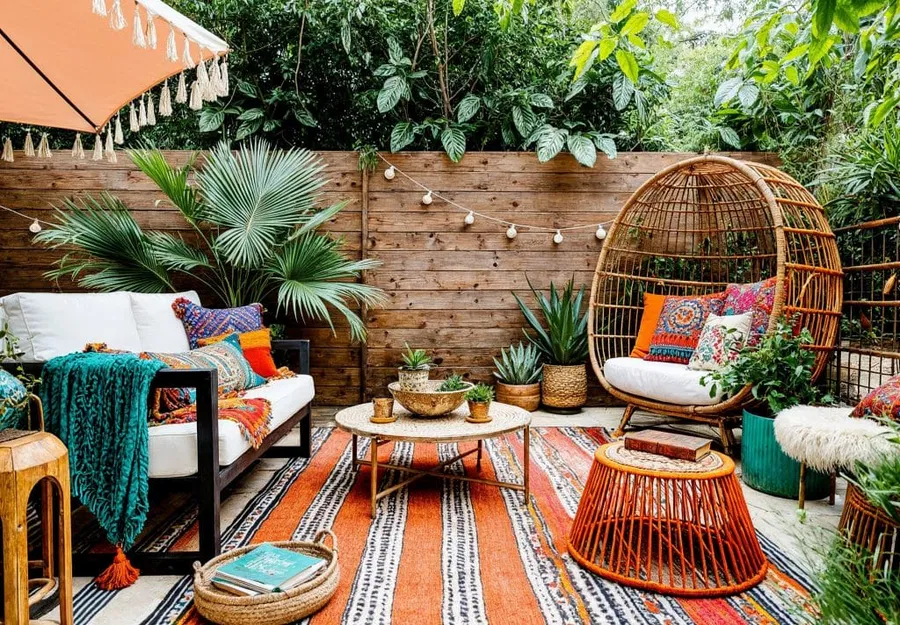
The modern backyard is no longer an afterthought reserved for basic plastic folding chairs and standard picnic tables. Today, homeowners treat exterior patios, decks, and poolside zones as natural extensions of their indoor living square footage. Creating a stylish outdoor living space requires the same intentionality, comfort, and aesthetic nuance traditionally reserved for interior design.
Achieving a refined, functional backyard demands a balance between durable all-weather construction and inviting, sophisticated styling. By selecting high-performing materials, establishing functional zones, and layering tactile outdoor textiles, you can turn any open-air footprint into an elegant retreat for both daily relaxation and weekend entertaining.
Defining Functional Zones with Outdoor Living Arrangements
Before investing in furniture pieces, evaluate the spatial layout of your yard. Successful outdoor design begins by establishing designated living zones tailored to specific activities, preventing open patio spaces from feeling cluttered or aimless.
-
The Main Conversation Lounge: Ground the central seating zone with an expansive, modular sectional sofa arranged around a substantial concrete fire table or natural stone cocktail table. This arrangement naturally promotes conversation and accommodates larger social gatherings.
-
The Alfresco Dining Pavilion: Position an outdoor dining table in a shaded alcove or beneath a pergola. Choosing bench seating along one side paired with high-back dining armchairs on the other provides visual contrast while maximizing seating capacity.
-
The Sunken or Poolside Relaxation Area: Flank water features or garden perimeters with structured chaise lounges, adjustable daybeds, or cantilevered hanging pod chairs designed for individual reading and quiet repose.
-
The Intimate Bistro Corner: Make use of small garden corners, narrow side verandas, or small balconies by installing a three-piece cast iron or terrazzo bistro set perfect for morning coffee.
Clearly delineating functional areas allows each section of your backyard to serve an intentional lifestyle purpose while maintaining visual flow.
Selecting Durable, Weather-Resistant Material Foundations
Outdoor furniture faces continuous exposure to intense ultraviolet radiation, seasonal rain, humidity fluctuations, and temperature swings. Choosing the right foundational materials ensures that your outdoor investment retains its structural integrity and beauty for years to come.
-
Grade-A Indonesian Teak: Premium teak wood contains high concentrations of natural oils and silica, making it impervious to rot, wood-boring insects, and moisture damage. Left untreated, it transitions from a golden honey hue to an elegant silvery gray patina without losing density.
-
Powder-Coated Architectural Aluminum: Lightweight, rust-proof, and exceptionally durable, marine-grade aluminum finished with electrostatic powder coating resists chipping and fading while allowing you to rearrange patio layouts with ease.
-
High-Density Polyethylene (HDPE) All-Weather Wicker: Unlike traditional natural rattan that splinters when exposed to moisture, synthetic HDPE wicker is infused with UV inhibitors, resisting cracking, mold, and brittleness even in high-heat climates.
-
Cast Concrete and Micro-Cement: Monolithic concrete tables and bench plinths provide substantial visual weight and architectural stability, standing up to strong wind gusts without shifting.
| Material Type | Primary Environmental Strength | Maintenance Requirement | Ideal Aesthetic Style |
| Solid Teak | Natural water and rot resistance | Annual light cleaning and optional teak oiling | Organic modern, Scandinavian, coastal |
| Powder-Coated Aluminum | Complete rust immunity and light weight | Periodic soap and water wipe-downs | Contemporary minimalist, industrial |
| High-Density Polyethylene | Resists cracking, peeling, and UV bleaching | Routine hose-down and soft brush scrub | Traditional coastal, transitional bohemian |
| Micro-Cement and Stone | Extreme wind stability and durability | Annual surface sealing to prevent oil staining | Modern Mediterranean, architectural brutalism |
Matching material choices with your regional climate guarantees long-term durability and keeps maintenance tasks to a minimum.
Incorporating Resort-Style Modular Sectionals and Daybeds
Modular seating systems provide the flexibility needed to adapt to different entertaining scenarios, transitioning from daytime family lounging to evening party configurations.
-
Low-Slung Platform Sectionals: Broad, low-profile seating with integrated teak side platforms creates a sleek, contemporary resort aesthetic while providing handy surfaces for drinks and books without requiring extra side tables.
-
Double Canopy Daybeds: Freestanding daybeds equipped with retractable canvas shades, water-resistant drapery, and high-density foam cushions provide private, poolside shade while lending a high-end vacation feel to your backyard.
-
Deep-Seating Club Chairs: Oversized club chairs paired with matching ottomans offer ergonomic support and sink-in comfort, encouraging guests to linger outdoors long into the evening.
Look for furniture frames designed with quick-dry foam cores wrapped in open-cell Dacron fiber, allowing rainwater to drain through the cushions rapidly rather than pooling inside.
Layering Performance Fabrics and Sensory Textures
The secret to making outdoor furniture look as refined as indoor decor lies in high-performance textiles. Modern outdoor fabrics combine soft, natural textures with industrial resistance to moisture, mildew, and sun fading.
-
Solution-Dyed Acrylic Weaves: Look for fabrics where the individual yarns are dyed to the core before weaving. This ensures that the color does not wash out or bleach under intense sunlight, resisting staining from sunscreen and food spills.
-
Textured Flat-Weave Outdoor Rugs: Ground seating zones with oversized performance area rugs made from recycled PET fibers or tightly woven polypropylene. Patterns featuring neutral geometric borders, jute-like ribbing, or subtle stripes define the room borders visually.
-
Layered Pillows and Bolsters: Mix performance velvet, slubbed outdoor linen, and chunky boucle accent pillows across neutral sofas to introduce pops of earthy color, such as terracotta, dusty sage, cobalt, or mustard ochre.
-
All-Weather Drapery: Install breezy, mildew-resistant outdoor curtains along pergola posts or cabana frames to soften hard architectural lines and provide adjustable afternoon sun protection.
Elevating Evening Ambiance with Integrated Lighting and Fire Features
A stylish backyard should remain fully usable and visually captivating after the sun sets. Thoughtfully integrated lighting and warmth elements turn your furniture setting into an inviting nighttime lounge.
-
Linear Concrete Fire Tables: A gas or bioethanol fire table serves as a functional cocktail table during the day and transforms into a glowing, smoke-free centerpiece at night, keeping guests warm during brisk spring and autumn evenings.
-
Rechargeable Cordless LED Table Lamps: Portable, dimmable LED table lamps placed across dining and cocktail tables cast a soft, warm glow that mimics candlelight without blowing out in evening breezes.
-
Subtle Under-Bench and Step Accent Lights: Installing waterproof LED strip lighting beneath floating teak bench seats or along deck perimeter plinths adds a modern floating effect while providing safety lighting.
-
Oversized Lanterns with Wax-Look LED Pillars: Cluster hurricane lanterns made of blackened iron, smoked glass, or teak along patio steps and beside lounge chairs to introduce varying vertical points of warm light.
Curating Functional Accent Pieces and Biophilic Decor
Finalize your outdoor furniture arrangement with practical accents and living greenery that integrate your built space with the natural landscape.
-
Mobile Outdoor Bar Carts: A multi-tier teak or metal beverage cart equipped with wheels allows you to transport refreshments, glassware, and ice buckets directly from the interior kitchen to your outdoor conversation zone.
-
Sculptural Ceramic and Terrazzo Side Tables: Small, moveable ceramic drum tables provide versatile landing pads for drinks and plates while adding pops of glaze, color, and geometric interest.
-
Clustered Architectural Planters: Frame seating arrangements with oversized fluted fiberglass, terracotta, or fiber-clay pots planted with sculptural olive trees, ornamental grasses, bird of paradise, or broad-leaf hostas to create natural privacy screens.
Frequently Asked Questions
How do I protect outdoor cushions from mold and mildew during rainy seasons?
Ensure that cushions are constructed from breathable, solution-dyed fabrics paired with reticulated, quick-dry open-cell foam. During periods of sustained torrential rain or winter freezes, store cushions upright in a ventilated deck storage box or indoors to prevent moisture from getting trapped against the underside of the fabric.
What is the most effective way to clean and restore weathered teak furniture?
Clean teak using a soft-bristle brush, warm water, and a mild biodegradable soap or specialized teak cleaner to remove surface dirt and algae. If you prefer to restore weathered silver teak to its original honey color, sand the top grain lightly and apply a breathable teak sealer rather than a thick varnish.
How can I keep lightweight aluminum outdoor furniture from blowing away in windy areas?
Choose aluminum pieces with heavier cast frames or integrated weighted bases. You can also anchor modular sectionals using discreet hidden interlocking brackets, position heavy concrete fire tables in the center of the seating zone, and attach furniture covers with secure buckled tie-down straps.
Can indoor area rugs and cushions be used temporarily on a covered outdoor patio?
Indoor textiles lack UV inhibitors, water-repellent treatments, and antimicrobial coatings. When placed outdoors, even under covered porches, the ambient humidity will cause standard cotton and wool to absorb moisture, leading to mold, fiber decay, and rapid sun fading within weeks.
What is the recommended clearance space to leave around an outdoor dining table?
Leave a minimum of thirty-six to forty-eight inches of open clearance between the edge of the dining table and any surrounding walls, railings, planters, or lounge furniture. This allows guests to pull out dining chairs comfortably and walk behind seated individuals without crowding.
How do I prevent rust on iron or steel outdoor furniture in humid coastal environments?
Look for products treated with hot-dip galvanization or specialized multi-layer marine-grade powder coatings. Inspect the metal annually for scratches, apply rust-inhibiting primer immediately to exposed metal nicks, and apply a coat of clear automotive paste wax to painted steel frames once a year to provide an extra moisture barrier.
Is it necessary to cover all outdoor furniture during the winter months?
While premium all-weather materials like teak, aluminum, and HDPE can withstand freezing temperatures, using custom-fitted, breathable, water-resistant canvas covers extends the lifespan of the pieces. Covers prevent freeze-thaw surface cracking, stop debris buildup, and eliminate the need for deep cleaning every spring.