

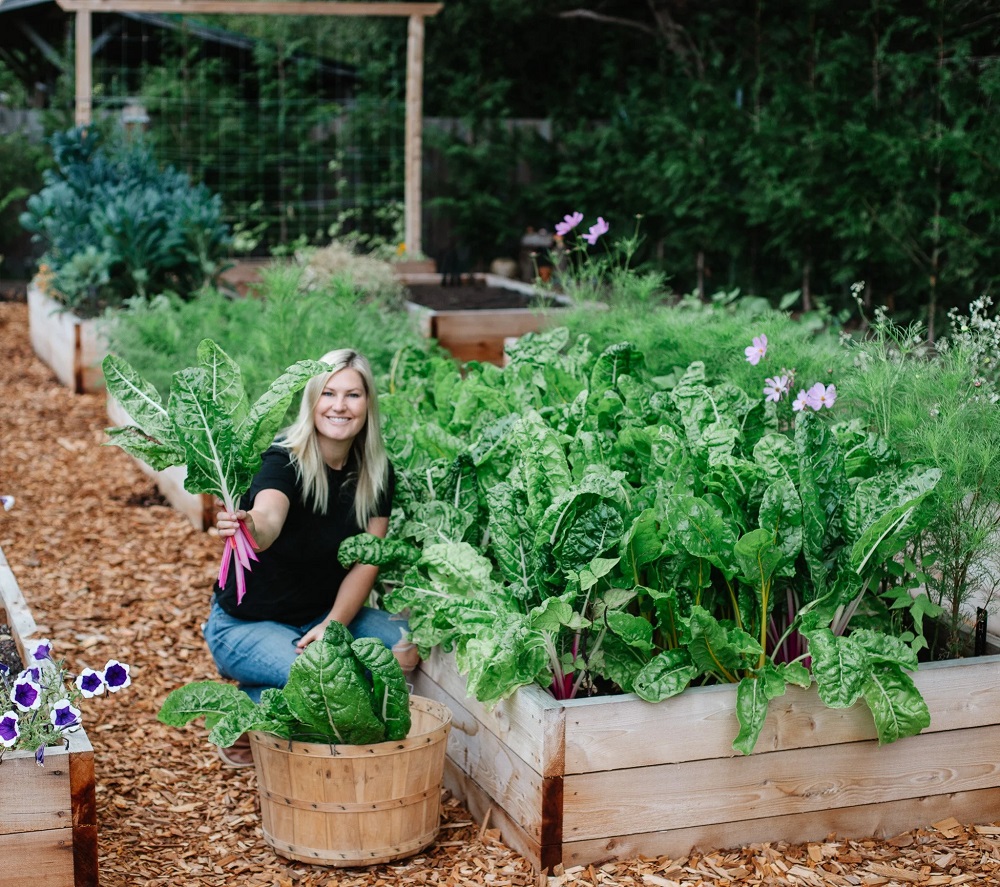
Gardening directly in native ground soil often presents immediate challenges for home growers and commercial horticulturists alike. Dense clay, poor drainage, rock-laden earth, soil compaction, and aggressive weed seeds frequently limit the growth of vegetable crops, herbs, and flowering ornamentals. To overcome these natural soil limitations, experienced gardeners turn to raised garden beds.
A raised garden bed is an elevated planting structure filled with a customized blend of soil, compost, and organic matter. By lifting the root zone above the native ground level, gardeners gain complete control over growing conditions. This method creates an optimal environment that promotes root development, improves nutrient absorption, extends growing seasons, and produces higher crop yields.
Complete Control Over Soil Composition and Quality
The primary foundation of plant health lies in the condition of the soil. In-ground gardening limits you to the native soil of your property, which often requires years of tilling, amending, and pH correction to become productive.
Raised beds allow you to bypass native soil problems entirely by introducing an ideal growing medium from day one.
-
Customized Soil Mixes: Gardeners can blend high-grade topsoil, organic compost, peat moss or coconut coir, and perlite or vermiculite to create a fertile, biologically active soil structure tailored to specific crops.
-
Targeted pH Adjustment: Different plants thrive at different soil acidity levels. Blueberries and strawberries demand acidic conditions, while brassicas prefer neutral or slightly alkaline soil. Raised beds make it easy to isolate and adjust pH levels without altering adjacent areas.
-
Elimination of Heavy Metal Contamination: In urban or suburban environments, native soil can contain dangerous levels of lead, arsenic, and chemical runoff from old paint, treated lumber, or roads. Raised beds lined with protective barriers prevent crops from absorbing these toxic contaminants.
Providing plants with rich, uncompromised soil ensures strong vegetative development, deep root penetration, and high nutrient density in edible crops.
Superior Drainage and Elimination of Soil Compaction
Heavy rains and poor native soil structure often lead to waterlogging, creating an anaerobic environment that rots root systems and suffocates beneficial soil microbes.
Raised beds offer structural advantages that solve these drainage and compaction issues:
-
Gravitational Water Flow: The elevated structure allows excess moisture to drain freely downward, keeping root systems aerated and preventing fungal pathogens like root rot and damping-off.
-
Zero Foot-Traffic Compaction: In traditional garden rows, walking between plants packs the earth down, compressing air pockets and making it difficult for tender roots to expand. Because raised beds are designed to be tended from external walkways, the internal soil remains loose, crumbly, and aerated indefinitely.
-
Enhanced Oxygen Circulation: Loose, uncompacted soil allows oxygen to reach plant roots easily, supporting active cellular respiration and encouraging beneficial mycorrhizal fungi to colonize the root zone.
This loose soil texture allows root crops such as carrots, beets, parsnips, and radishes to grow straight and deep without meeting stone barriers or hard clay pans.
Faster Soil Warming and Season Extension
Soil temperature is a critical factor in seed germination and early plant development. Cold, wet ground in early spring delays planting schedules and slows metabolic processes in young seedlings.
Raised beds sit above ground level, exposing the sidewalls of the structure to ambient sunlight and warm air currents.
-
Earlier Spring Planting Dates: Soil in raised beds warms up several weeks earlier in the spring than surrounding in-ground plots. This allows gardeners to direct-sow cool-season crops like spinach, peas, radishes, and lettuce well ahead of standard regional planting dates.
-
Higher Germination Rates: Warm soil triggers faster, more uniform seed germination, reducing the likelihood of seeds rotting in cold, damp mud before sprouting.
-
Simple Season Extension Additions: The defined perimeter of a raised bed makes it easy to mount hoops, cold frames, shade cloth, or floating row covers. These covers protect crops from early autumn frosts and late spring freezes, extending your harvest by several weeks or even months.
| Growing Condition Factor | Traditional In-Ground Plot | Elevated Raised Bed System |
| Spring Soil Warming Speed | Slow (retains deep ground chill) | Rapid (warmed by air on top and sides) |
| Soil Compaction Risk | High (foot traffic across rows) | None (tended entirely from borders) |
| Drainage Performance | Dependent on native clay/sand balance | Excellent (engineered soil blend drains freely) |
| Weed Seed Pressure | Constant from deep native seed banks | Minimal (weed-free imported soil blends) |
| Ergonomic Accessibility | Requires deep bending and kneeling | Elevated working height reduces physical strain |
By regulating soil temperature and seasonal transitions, raised beds give crops a reliable head start and prolong the productive life of the garden.
Natural Weed Suppression and Pest Deterrence
Weeds compete aggressively with cultivated plants for water, nutrients, and sunlight. Traditional in-ground tilling constantly brings dormant weed seeds to the surface, where they germinate and overtake young crops.
-
Weed-Free Mediums: Filling a raised bed with clean, pasteurized topsoil and sterile compost eliminates the large seed banks present in native soil.
-
Barrier Protection: Placing durable geotextile fabric, hardware cloth, or thick layers of plain cardboard beneath the bed prevents invasive perennial weeds like bermudagrass, bindweed, and thistles from growing up into the planting zone.
-
Burrowing Pest Defense: Underground pests such as gophers, voles, and moles can destroy an entire root vegetable crop overnight. Installing heavy-gauge galvanized wire mesh along the bottom of the raised bed creates a permanent barrier that stops burrowing animals from entering.
-
Surface Pest Management: The elevated wooden or metal walls create a physical obstacle for crawling pests such as slugs, snails, and cutworms, making it easier to monitor and apply natural pest deterrents along the perimeter.
Reducing weed and pest pressure lets plants channel their full metabolic energy into producing foliage, flowers, and fruit rather than fighting for survival.
Improved Water Efficiency and Irrigation Management
While raised beds drain excess moisture quickly, their high organic matter content allows them to retain the ideal amount of plant-available water.
-
Even Moisture Distribution: Loamy, uncompacted soil absorbs water evenly without runoff, allowing water to soak deep into the root zone rather than pooling on a hardened top crust.
-
Precision Drip Irrigation: The tidy rectangular footprint of a raised bed is ideal for installing low-pressure drip irrigation lines or soaker hoses. Drip lines deliver water directly to the base of each plant, cutting down on evaporation losses.
-
Foliage Protection: Applying water directly at soil level prevents splashing contaminated soil onto lower leaves, substantially reducing common fungal diseases like powdery mildew, early blight, and leaf spot.
Combining drip irrigation with a top layer of organic mulch, such as clean straw or shredded wood chips, keeps the root zone consistently moist and reduces overall garden water usage.
Ergonomic Design and Physical Accessibility
Gardening requires physical effort, and years of repetitive bending, crouching, and kneeling on hard ground can cause significant back, hip, and knee strain.
Raised beds can be constructed to heights ranging from twelve inches to over thirty inches, making garden maintenance far more comfortable.
-
Reduced Body Strain: Elevated planting surfaces allow gardeners to plant, weed, prune, and harvest while standing upright or sitting comfortably on a perimeter bench edge.
-
Accessible Gardening: High raised beds built alongside paved paths accommodate wheelchair access and provide accessible growing spaces for elderly gardeners or individuals with mobility limitations.
-
Clear Garden Organization: Defined garden borders keep growing spaces neatly separated from walking pathways, preventing accidental stepping on seedlings and simplifying routine yard maintenance.
By reducing physical fatigue, raised beds make daily garden maintenance enjoyable, encouraging more consistent care and healthier plants.
Frequently Asked Questions
What are the safest materials for building long-lasting raised beds?
Untreated rot-resistant hardwoods like cedar, redwood, and black locust are ideal choices that last for years without chemical treatments. Galvanized steel, powder-coated corrugated metal, stone, brick, and food-grade composite boards are also safe, durable options that will not leach toxins into edible crops.
How deep should a raised garden bed be for most vegetables?
A depth of twelve to eighteen inches is sufficient for the vast majority of garden vegetables, including leafy greens, brassicas, peppers, and shallow-rooted herbs. For deep-rooting plants like large heirloom tomatoes, sweet potatoes, and winter squash, a depth of twenty to twenty-four inches provides ample room for optimal root development.
What is the best method for filling very deep raised beds without buying excessive amounts of bagged soil?
You can use the Hugelkultur method to fill deep beds cost-effectively. Lay large logs, untreated tree limbs, and thick branches across the bottom third of the bed, followed by a layer of grass clippings, dry leaves, and twigs. Top the final twelve to fourteen inches with your rich blend of compost and topsoil. The buried wood slowly breaks down over several years, retaining moisture and releasing steady organic nutrients to plant roots.
Do raised garden beds require more frequent watering during peak summer heat?
Yes. Because raised beds sit elevated and drain thoroughly, their soil can dry out faster than in-ground plots during hot summer spells. Using thick layers of straw mulch and automated drip irrigation timers ensures stable moisture levels throughout the hottest months.
How often should compost and fresh nutrients be added to raised bed soil?
Add a one-to-two-inch layer of finished organic compost to the top of the bed at the beginning of each planting season in spring and autumn. Because raised beds are intensely productive, regular top-dressing with compost, worm castings, and slow-release organic fertilizers replenishes nutrients consumed by previous crops without requiring disruptive tilling.
How can you prevent wood rot on wooden raised beds over time?
Choose naturally decay-resistant lumber like cedar or redwood, use thick two-inch boards rather than thin planks, and line the interior wooden sides with a breathable geotextile membrane to keep moist soil from sitting directly against the wood. Ensure the wood never touches standing surface water by placing the frame on a well-drained gravel base.
Can perennial plants and small fruit shrubs survive winter freezes in raised beds?
Perennials and fruit bushes grown in raised beds experience colder winter root temperatures than those planted in native ground because the bed walls are exposed to freezing air. To overwinter perennials safely in cold climates, choose plants rated for one to two hardiness zones colder than your local region, or wrap the outside of the beds with burlap and thick layers of straw insulation before winter sets in.