

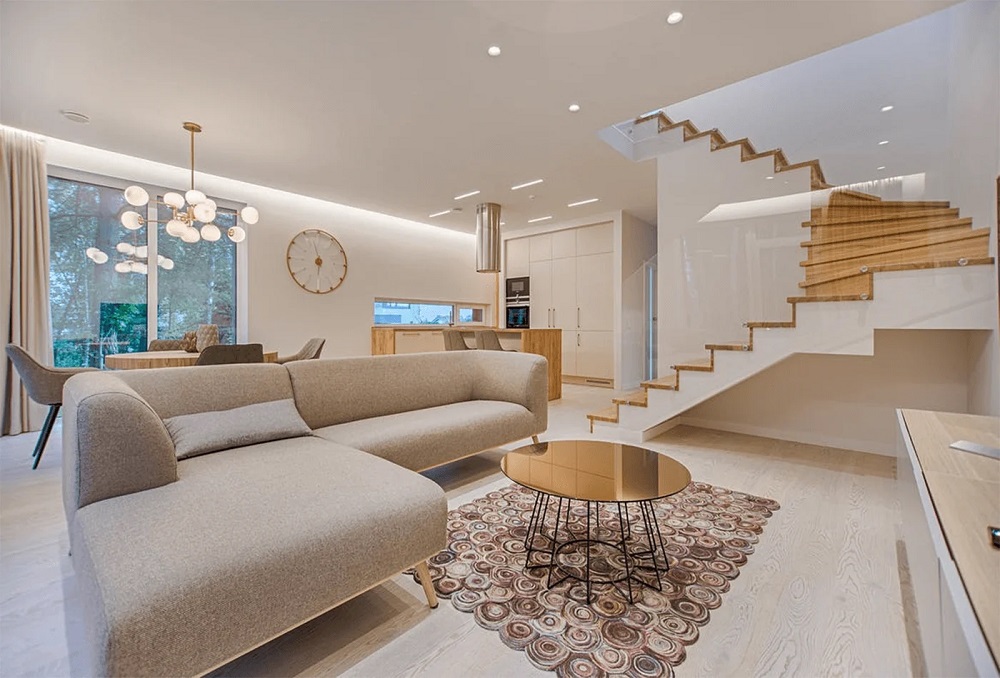
Creating an inviting, aesthetically pleasing living space does not require a complete architectural overhaul or an unlimited budget. Many of the most striking transformations come from understanding fundamental design principles such as balance, lighting, spatial scale, and tactile texture. By making thoughtful, intentional adjustments to the items you already own and introducing key decor upgrades, you can dramatically elevate the ambiance of your home.
Interior design is about how a home functions and makes you feel on a daily basis. Whether you are settling into a new house or refreshing an existing apartment, applying simple and proven design concepts will bring harmony, warmth, and visual character to every room.
Master the Art of Lighting Layers
One of the most common decorating errors is relying solely on a single overhead fixture to illuminate an entire room. Central flush-mount or recessed ceiling lights tend to create harsh downward shadows, making spaces feel flat and uninviting. Professional interior designers build warmth by layering three distinct types of lighting across each living area.
-
Ambient Lighting: This serves as the general base layer of light, usually supplied by recessed fixtures, chandeliers, or flush mounts that illuminate the overall footprint.
-
Task Lighting: Targeted illumination focused on functional areas, such as adjustable reading sconces by an armchair, under-cabinet LED strips along kitchen countertops, or a focused desk lamp in a home office.
-
Accent Lighting: Decorative lighting used to highlight architectural details, artwork, or structural alcoves. Wall sconces, uplights placed behind large indoor trees, and picture lights add depth and visual dimension.
To instantly elevate a room, place table lamps and floor lamps at varying heights throughout the living space. Swapping out cool, sterile white bulbs for warm white bulbs in the 2700K to 3000K range produces a soft, welcoming glow that flatters finishes and textiles. Installing dimmer switches provides easy control over the atmosphere from morning to night.
Establish Clear Focal Points in Every Room
A room without a clear focal point feels chaotic because the eye has no natural anchor upon entering. A focal point serves as the visual centerpiece around which all other furnishings and decorative accents are arranged.
-
Architectural Features: If your home features an attractive fireplace, built-in library shelving, or a wide picture window with scenic views, orient your primary seating arrangements to highlight that natural asset.
-
Feature Art Installations: A single oversized piece of framed artwork or a curated gallery wall creates an immediate visual anchor above a main living room sofa, entryway console, or dining credenza.
-
Statement Accent Furniture: An upholstered armchair in a rich contrast color, a sculpted travertine coffee table, or an eye-catching carved wood headboard can serve as the centerpiece in rooms lacking built-in architecture.
Once your primary anchor is established, arrange secondary furniture and decor to complement rather than compete with it. Keeping adjacent walls and surfaces relatively understated preserves the intended visual hierarchy.
Layer Diverse Textures for Depth and Warmth
Monochromatic or neutral color palettes can easily look flat and sterile if they lack textural variety. Interior designers avoid this pitfall by incorporating a rich mix of tactile materials across upholstery, flooring, drapery, and accent surfaces.
| Decor Element | Recommended Textural Pairings | Design Impact |
| Seating Upholstery | Smooth linen, chunky boucle, and supple leather | Balances sleek modern forms with cozy, tactile comfort |
| Flooring and Rugs | Flat-weave wool over natural jute or sisal | Defines seating zones and adds organic structure underfoot |
| Hard Surfaces | Honed marble, fluted wood, and hand-cast ceramic | Breaks up the monotony of flat drywall and painted surfaces |
| Window Treatments | Raw slubbed linen panels with matte black metal rods | Softens window frames while filtering natural daylight gently |
Contrast rough surfaces with smooth ones, glossy ceramics with matte metals, and heavy knits with light linens. These tactile layers make neutral rooms feel intentional, warm, and sophisticated without requiring vibrant or loud paint colors.
Optimize Furniture Placement and Spatial Proportions
A beautiful room relies heavily on proper scale and circulation pathways. Jamming oversized furniture into small rooms or scattering undersized pieces in large open layouts disrupts spatial balance and makes living areas feel awkward.
-
Float Your Furniture: Avoid the temptation to push every sofa and chair flat against the walls. Pulling seating several inches inward into a floating arrangement creates an intimate, conversational atmosphere and makes rooms feel larger.
-
Prioritize Circulation Paths: Ensure walkways between coffee tables, accent chairs, and doorways maintain a clear clearance of thirty to thirty-six inches. Unobstructed traffic lanes ensure natural, comfortable movement.
-
Select Properly Sized Area Rugs: An undersized rug can make an entire room feel smaller. In a living room, choose an area rug large enough so that at least the front legs of all major seating furniture rest securely on the rug surface. In a dining room, the rug should extend at least twenty-four inches beyond the table on all sides so chairs remain on the rug when pulled out.
Declutter and Style Surfaces with Intention
Cluttered surfaces produce subconscious visual stress, while completely bare tables feel cold and unfinished. The secret to beautifully styled consoles, coffee tables, and open shelves is purposeful, balanced curation.
-
Follow the Rule of Threes: Grouping decorative objects in odd numbers—particularly sets of three—naturally appeals to human visual perception. Combine items of varying heights and widths, such as a tall brass candlestick, a medium ceramic vase, and a low decorative bowl.
-
Anchor with Books: Hardcover art, design, and travel books serve as excellent structural pedestals on coffee tables and consoles. Lay two or three books horizontally and place a small sculptural object or candle on top.
-
Incorporate Organic Elements: Every room benefits from a touch of nature. Add fresh cut branches in a large stoneware vessel, a potted trailing plant on an open shelf, or a shallow wooden bowl filled with moss spheres to bring life into the space.
Edit your decorative collections regularly. Rotating accents seasonally prevents rooms from becoming crowded and keeps your living spaces feeling fresh.
Hang Artwork and Mirrors at Designer Heights
A widespread home decorating mistake is hanging wall art and mirrors far too high, which disconnects them visually from surrounding furniture and architectural sightlines.
-
The Center-Line Rule: The standard gallery standard is to hang single pieces of art so that the center of the frame sits fifty-seven to sixty inches above the finished floor. This places the artwork directly at average eye level.
-
Anchoring Over Furniture: When hanging artwork or mirrors above a sofa, mantle, or console table, position the bottom edge of the frame four to eight inches above the top of the furniture piece. This connects the artwork with the furniture, creating a cohesive visual unit.
-
Maximizing Natural Light with Mirrors: Place mirrors directly opposite or adjacent to exterior windows. This reflects natural daylight into darker corners of the home and creates the illusion of expanded square footage.
Frequently Asked Questions
What is the most cost-effective way to refresh a tired room quickly?
Applying a fresh coat of high-quality interior paint in an updated warm neutral or soft earthy tone delivers the most dramatic transformation per dollar spent. Swapping outdated cabinet knobs and light switch covers with modern metal hardware also modernizes a space quickly on a modest budget.
How do I choose the right paint finish for different areas of my home?
Use a flat or matte finish for ceilings and low-traffic formal living rooms to hide drywall imperfections. Use eggshell or satin finishes for living rooms, hallways, and bedrooms for a subtle sheen that wipes clean easily. Reserve semi-gloss finishes for baseboards, doors, crown molding, and bathroom walls that require high moisture and scuff resistance.
How can I make a small room with low ceilings feel taller?
Mount drapery rods right below the ceiling line rather than immediately above the window frame, and let curtain panels fall straight to the floor. This vertical line draws the eye upward and creates the illusion of taller walls. Selecting vertical wall paneling, slender floor lamps, and low-profile furniture also enhances perceived height.
What is the best way to mix warm and cool metal finishes in the same space?
Select one dominant metal to cover roughly sixty to seventy percent of the room fixtures, such as matte black or brushed bronze. Then, introduce a secondary metal—like polished nickel or warm unlacquered brass—on accent pieces like picture lights, mirror frames, or side table legs to create a balanced, collected look.
How do I introduce bold color into my home without it feeling overwhelming?
Use the sixty-thirty-ten color rule. Dedicate sixty percent of the room to a dominant neutral base (walls and large rugs), thirty percent to a secondary complementary color (upholstery, drapery, and accent chairs), and the remaining ten percent to bold accent colors (throw pillows, artwork, ceramics, and small accessories).
Can different wood tones be mixed together in the same room?
Yes. Mixing wood tones makes a home look naturally collected over time rather than purchased straight from a showroom set. To keep the look cohesive, ensure that all wood species share a similar underlying undertone (either all warm, all cool, or all neutral) and repeat each distinct wood finish at least twice in the room.
How do I keep an open-concept living space feeling cozy and organized?
Use large area rugs and intentional lighting arrangements to establish distinct zones for lounging, dining, and working. Place low-profile console tables behind floating sofas to visually separate living and dining spaces without blocking natural light or line-of-sight across the floor plan.