

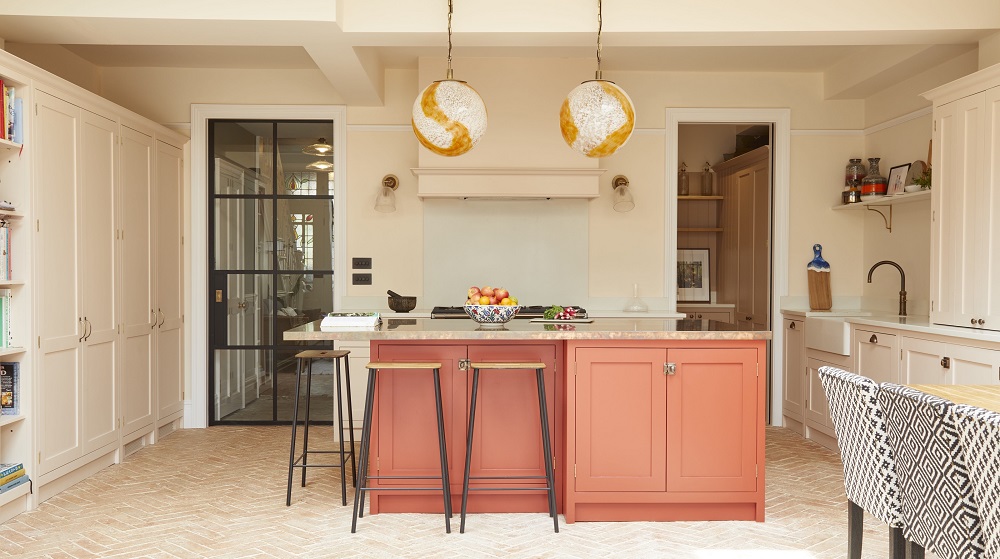
The kitchen is widely recognized as the heart of the home, serving as the central hub for meal preparation, family gatherings, and everyday entertainment. In residential real estate, it is also the single most influential room in determining overall property value. Prospective homebuyers scrutinize kitchen layouts, storage capacities, surface durability, and appliance quality more than any other interior feature.
However, maximizing return on investment requires a strategic approach. Over-customized trends, low-grade finishes, or awkward spatial planning can fail to deliver expected financial returns. Designing a kitchen that builds substantial home equity involves balancing timeless architectural choices, ergonomic efficiency, high-performance materials, and modern technological convenience.
Optimizing the Spatial Layout and Workflow Ergonomics
A visually stunning kitchen loses its appeal quickly if the underlying workflow is frustrating to navigate. Real estate appraisers and prospective buyers place high value on practical, intuitive layouts that facilitate easy movement.
-
Refining the Work Triangle: The classic relationship between the refrigerator, sink, and cooktop remains a cornerstone of kitchen ergonomics. Ensure total walking distance between these three points remains unobstructed, with clear sightlines and easy transitions.
-
Creating Distinct Functional Zones: Modern open-concept floor plans benefit from designated work zones. Establish dedicated prep stations, cooking zones, cleanup stations, and beverage or coffee stations. This zoning allows multiple people to work simultaneously without crowding each other.
-
Ensuring Adequate Walkway Clearances: Maintain at least forty-two inches of clear walkway space between facing countertops in single-cook kitchens, and forty-eight inches in multi-cook spaces. This prevents door collisions between open dishwashers, ovens, and opposing cabinet doors.
-
Integrating a Multi-Functional Island: A well-proportioned center island provides valuable prep space, integrated storage, and informal bar seating. Ensure the island features a generous overhang of at least twelve to fifteen inches to accommodate comfortable legroom for counter-height stools.
Investing in High-Yield Custom Cabinetry and Storage Solutions
Cabinets represent the largest single expense in a kitchen renovation and have a massive impact on perceived property value. Flimsy, builder-grade particleboard cabinets lower buyer enthusiasm, while solid, smartly configured millwork commands a premium price point.
-
Plywood Box Construction: Insist on solid wood face frames paired with three-quarter-inch furniture-grade plywood boxes rather than low-density particleboard or MDF, ensuring long-term structural integrity and moisture resistance.
-
Deep Base Storage Drawers: Replace traditional lower cabinets featuring standard swinging doors with deep, full-extension drawers. Drawers make heavy cookware, cast iron skillets, and small appliances completely accessible without requiring uncomfortable bending and digging.
-
Concealed Organization Inserts: Modern buyers look for built-in convenience. Integrate pull-out trash and recycling double bins, vertical tray dividers for baking sheets, tiered spice pull-outs, and custom cutlery trays.
-
Ceiling-Height Upper Cabinets: Run upper cabinetry all the way to the ceiling line, finished with seamless crown molding. This eliminates the awkward, dust-collecting gap above standard cabinets, maximizes vertical storage volume, and makes kitchen ceilings feel noticeably taller.
Selecting Durable and Timeless Countertop Surfaces
Countertops endure continuous daily wear from hot pans, sharp knives, food spills, and household cleaning chemicals. Selecting surfaces that combine heavy-duty resistance with timeless aesthetic appeal ensures strong appraisal values.
| Countertop Material | Durability Profile | Maintenance Requirement | Value Longevity |
| Engineered Quartz | Exceptional scratch, stain, and heat resistance | Non-porous surface requires zero periodic sealing | High (universally sought after by modern homebuyers) |
| Natural Quartzite | Very high hardness and natural stone movement | Requires annual penetrating sealants | Exceptional (delivers a premium luxury custom aesthetic) |
| Honed Granite | High heat resistance and heavy impact durability | Periodic sealing depending on stone porosity | Moderate to High (best in neutral, subtle slab patterns) |
| Solid Marble | Vulnerable to acidic etching and surface scratching | Demands frequent sealing and careful daily maintenance | Moderate (appeals to high-end buyers but worries low-maintenance buyers) |
Engineered quartz remains the dominant choice for maximizing resale return. Its non-porous surface resists food acids, wine stains, and oil penetration without requiring specialized sealers, making it an attractive selling point for busy families.
Layering Architectural and Task Lighting
A poorly lit kitchen feels small, drab, and uninviting. Upgrading lighting infrastructure is one of the most cost-effective ways to enhance the visual appeal and functional utility of the space.
-
Under-Cabinet Task Lighting: Install continuous, dimmable LED strip channels directly beneath upper cabinetry. This casts bright, shadow-free illumination over main perimeter countertops where food chopping and meal prep occur.
-
Statement Island Pendants: Hang a pair or trio of eye-catching pendant lights over the kitchen island. These fixtures serve as functional jewelry for the room, drawing the eye upward and establishing the room design aesthetic.
-
Recessed Ambient Lighting: Space recessed LED ceiling fixtures strategically along walking lanes and work areas rather than clustering them in the middle of the room, preventing glare and dark corners.
-
In-Cabinet and Toe-Kick Accents: Adding glass-front display cabinets with warm interior lighting, along with low-voltage toe-kick lighting beneath base cabinets, creates an inviting, upscale nighttime ambiance.
Incorporating Commercial-Grade and Energy-Efficient Appliances
Kitchen appliances are immediate focal points for buyers evaluating a home value. Outdated, mismatched, or noisy appliances can derail a prospective sale, while cohesive, energy-efficient units convey overall quality.
-
Panel-Ready Refrigerators and Dishwashers: Integrating appliances behind custom cabinet faces produces a sleek, uninterrupted architectural look that defines high-end luxury design.
-
Dual-Fuel or Induction Cooking: Induction cooktops are growing rapidly in popularity due to their rapid heating, precise temperature control, energy efficiency, and flat glass surfaces that wipe clean in seconds.
-
Quiet High-Performance Dishwashers: A whisper-quiet dishwasher operating below forty-four decibels is a major selling point in open-concept floor plans where kitchen sounds carry into living areas.
-
Concealed Powerful Range Hoods: Proper ventilation protects indoor air quality and prevents grease from settling on cabinetry. Install a commercial-grade range hood ducted directly to the outside, framed within a custom wood or plaster chimney surround.
Choosing Classic, High-Performance Backsplash and Flooring Materials
The backsplash and flooring provide the visual backdrop that ties the room together. Choosing classic materials prevents the kitchen from looking dated in a few years.
-
Timeless Tile Patterns: Standard white ceramic subway tile, handcrafted zellige squares, or solid slab backsplashes matching the countertop material provide clean, elegant backdrops that outlast fleeting decorative trends.
-
Continuous Flooring Transitions: Extend matching hardwood, engineered wood, or large-format porcelain tile seamlessly from adjoining living areas into the kitchen. Eliminating threshold breaks between rooms makes the entire ground floor feel unified and spacious.
-
Durable, Stain-Resistant Grout: Use high-grade epoxy or urethane grout for tile installations. Unlike standard cementitious grout, epoxy formulations resist grease absorption, water penetration, and discoloration over time.
Frequently Asked Questions
What kitchen renovation projects deliver the highest return on investment?
Minor to mid-scale kitchen remodels generally yield a higher percentage return on investment compared to ultra-luxury gut renovations. Upgrading countertops to engineered quartz, refacing or repainting solid wood cabinets, installing modern metal hardware, updating lighting layers, and adding energy-efficient stainless steel appliances routinely return seventy to eighty percent of their cost upon resale.
Which cabinet door style offers the best long-term resale appeal?
Classic Shaker-style cabinet doors and clean-lined transitional slab doors offer the highest long-term appeal. Their simple, balanced profiles complement traditional, transitional, and contemporary homes alike, ensuring broad market desirability across diverse buyer demographics.
Is it better to choose open shelving or closed upper cabinetry for home value?
Closed upper cabinetry is significantly better for long-term home value. While open shelving looks appealing in staged photographs, most everyday homeowners require maximum storage volume to conceal mismatched dishes, food packaging, and small appliances. Incorporating a small, decorative open shelf section while keeping the majority of storage closed provides the ideal balance.
What is the ideal sink configuration for maximizing practical utility and buyer interest?
A large, deep single-basin undermount sink made of heavy-gauge stainless steel, fireclay, or granite composite is the top choice for modern buyers. Deep single basins easily accommodate large roasting pans, baking sheets, and stockpots that do not fit into divided double-bowl sinks.
How do smart kitchen technologies impact home appraisal values?
Smart kitchen upgrades that emphasize convenience, safety, and energy efficiency add measurable appeal. Features such as touchless or voice-activated faucets, smart ovens with remote preheat capabilities, and leak-detection sensors under sinks signal modern infrastructure to tech-focused buyers without overcomplicating daily use.
What paint colors on kitchen cabinets are most attractive to prospective homebuyers?
Crisp warm whites, soft off-whites, warm greige, and light taupe provide the highest broad-market appeal because they make kitchens feel bright, clean, and spacious. For two-tone designs, pairing white upper cabinets with deep navy, forest green, or charcoal base cabinets adds depth and visual interest without overwhelming the room.
Should I eliminate a kitchen pantry to gain more countertop space?
No, dedicated pantry storage is one of the top five features sought by prospective homebuyers. If square footage is limited, installing a full-height tall cabinet equipped with heavy-duty pull-out roll trays provides dense, organized pantry storage without requiring the footprint of a walk-in closet.