

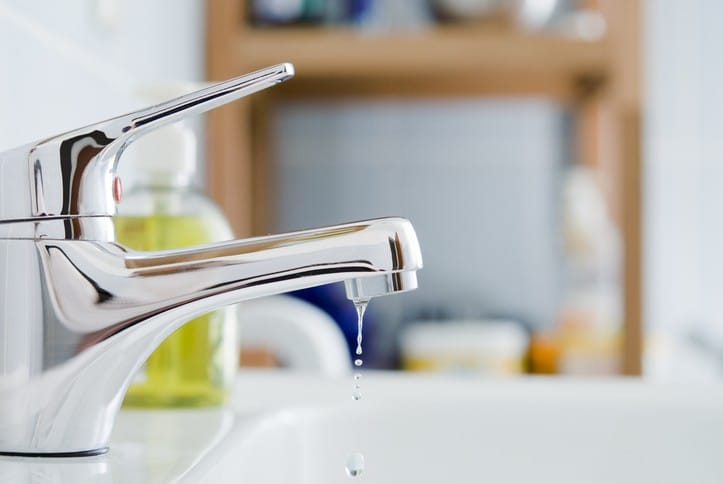
Water is one of the most vital natural resources, yet billions of gallons are lost every day due to inefficient fixtures, undetected leaks, and outdated plumbing infrastructure. For homeowners, landlords, and facility managers, wasted water translates directly into inflated utility bills, increased energy consumption for water heating, and unnecessary strain on local municipal water systems.
Reducing water waste does not mean sacrificing water pressure, comfort, or convenience. Modern plumbing technology and proactive maintenance practices make it possible to drastically cut water consumption while enhancing the performance and longevity of your overall system. By upgrading to efficient fixtures, monitoring pipe integrity, and adopting smart water technologies, properties can achieve exceptional water conservation.
Detecting and Repairing Hidden Household Leaks
A silent, persistent leak can waste thousands of gallons of water annually without showing obvious signs of pooling water. Addressing leaks promptly is the fastest, most cost-effective way to stop water loss.
-
Toilet Flapper Degradation: The rubber flapper inside a toilet tank deteriorates over time due to mineral buildup and chemical exposure. A slow flapper leak allows water to trickle constantly from the tank into the bowl, wasting up to two hundred gallons of water per day.
-
Faucet and Valve Drips: A faucet dripping at the modest rate of one drop per second can waste over three thousand gallons of clean water in a single year. Replacing worn O-rings, rubber washers, or ceramic cartridges quickly eliminates these drips.
-
Slab and Wall Leaks: Pin-hole leaks in copper or PEX pipes hidden behind drywall or beneath foundation slabs cause major structural rot, mold growth, and water loss. Regular water meter checks—monitoring if the meter dial moves when all household taps are off—help identify underground or behind-the-wall pipe failures.
-
Outdoor Spigot and Hose Bib Leaks: Exterior faucets often freeze during winter months, causing internal valve fractures that leak profusely when turned on in the spring. Installing frost-free hose bibs and checking washers prevents outdoor waste.
Proactive leak detection protects both the physical building structure and municipal water supplies from preventable losses.
Upgrading to Water-Efficient Low-Flow Fixtures
Older residential fixtures were built in an era with few conservation standards, consuming vast amounts of water per minute or per flush. Modern plumbing standards mandate high-efficiency designs that use fluid dynamics to maintain strong flow performance while using significantly less volume.
-
High-Efficiency Toilets: Vintage toilets manufactured before the 1990s use three point five to seven gallons per flush. Modern high-efficiency toilets use one point two eight gallons or less per flush, reducing toilet water consumption by more than sixty percent.
-
Dual-Flush Conversion Systems: Dual-flush mechanisms provide two distinct flushing options: a lower-volume flush for liquid waste (typically zero point eight gallons) and a standard flush for solid waste. This feature allows households to tailor water volume to need.
-
Low-Flow Showerheads: Standard older showerheads release up to five gallons of water per minute. Modern aerated or laminar-flow showerheads restrict water flow to one point five to one point seventy-five gallons per minute without feeling weak, using air injection to create dense, high-pressure water streams.
-
Faucet Aerators: Screwing high-efficiency aerators onto bathroom and kitchen faucets reduces flow from two point two gallons per minute down to one point zero or zero point five gallons per minute, cutting bathroom sink consumption by more than half.
| Fixture Category | Older Standard Fixture Flow | High-Efficiency Modern Standard | Water Volume Reduction |
| Toilet | 3.5 to 6.0 gallons per flush | 1.28 gallons or less per flush | 60 to 75 percent |
| Showerhead | 3.0 to 5.0 gallons per minute | 1.5 to 1.75 gallons per minute | 40 to 60 percent |
| Bathroom Sink Faucet | 2.2 gallons per minute | 0.5 to 1.2 gallons per minute | 45 to 75 percent |
| Kitchen Sink Faucet | 2.2 gallons per minute | 1.5 to 1.8 gallons per minute | 20 to 30 percent |
Upgrading these core fixtures delivers immediate water reductions that lower monthly water and sewer utility charges from the first day of installation.
Implementing Smart Water Monitoring and Automatic Shutoff Valves
Plumbing technology has advanced with the introduction of smart, Internet-of-Things-connected monitoring systems that provide real-time control over water lines.
-
Ultrasonic Whole-Home Flow Meters: These devices clamp onto main water lines or integrate directly into the plumbing manifold, using ultrasonic sound waves to measure flow rates down to fractions of a gallon. They detect micro-leaks, running toilets, and open garden hoses instantly.
-
Automated Main Line Shutoff Valves: If a smart sensor detects an abnormal continuous flow pattern or a sudden pressure drop indicative of a burst pipe, the automated shutoff valve closes the incoming main supply line in seconds, preventing catastrophic property flooding and immense water loss.
-
Mobile Diagnostic Alerts: Homeowners receive instant smartphone notifications detailing daily usage patterns, peak consumption times, and alerts if fixtures are left running when the home is unoccupied.
Smart plumbing infrastructure removes the guesswork from water management, catching mechanical failures before they turn into emergencies.
Optimizing Hot Water Delivery with Recirculation Systems
A tremendous amount of potable water is wasted while waiting at the sink or shower for water to reach an acceptable hot temperature. The cold water sitting in the supply pipes between the water heater and the faucet simply runs down the drain during the waiting period.
-
Dedicated Hot Water Recirculation Loops: This setup utilizes a dedicated return line and a small circulation pump to continuously cycle cooled water back to the water heater, ensuring instant hot water the moment any tap is opened.
-
On-Demand Recirculation Pumps: For homes without a dedicated return line, on-demand pumps can be installed under the furthest bathroom vanity. Activated via a push button, motion sensor, or smart timer, the pump uses the existing cold water line as a temporary return, priming the hot water line in seconds without sending a drop down the drain.
-
Point-of-Use Tankless Heaters: Installing small, on-demand electric water heaters directly beneath distant sinks supplies instantaneous hot water locally, eliminating long transit delays through extensive pipe runs.
By minimizing the wait time for hot water, a household can save thousands of gallons of treated water and reduce the energy needed to heat unused standing water in long pipe networks.
Managing System Water Pressure with Regulators
Excessively high water pressure may feel luxurious, but it places extreme mechanical stress on plumbing fixtures, causes water hammer vibrations, damages appliance valves, and dramatically accelerates water waste.
-
Standard Safe Operating Pressure: Residential plumbing systems are designed to operate safely between forty and sixty pounds per square inch (PSI). Municipal water mains often deliver water at eighty to over one hundred PSI.
-
Pressure-Reducing Valves (PRV): Installing a calibrated pressure-reducing valve on the main supply line brings incoming city water down to an optimal fifty PSI.
-
Preventing Fixture Blown Seals: Calibrated water pressure prevents washing machine supply hoses, dishwasher solenoid valves, and water heater relief valves from bursting or leaking prematurely under hydraulic spikes.
-
Volume Conservation at the Tap: Operating fixtures at fifty PSI instead of eighty PSI naturally reduces the volume of water pushed through faucets and hose nozzles during normal operation, saving substantial water without a noticeable loss in functional cleaning power.
Harnessing Greywater Systems and Rainwater Collection for Irrigation
Irrigation for lawns and landscaping accounts for nearly thirty percent of total residential water consumption across the United States. Diverting non-potable water from interior drains to outdoor landscaping is a sustainable way to reduce dependence on fresh tap water.
-
Laundry-to-Landscape Greywater Diversions: Greywater systems route gently used drainage water from clothes washing machines, bathroom sinks, and showers directly into outdoor landscape mulch basins and subsurface tree root zones.
-
Gravity-Fed Rainwater Harvesting: Installing gutter downspout diverters connected to large, food-grade rain barrels or underground cisterns captures chemical-free, soft rainwater during storm events for garden beds and potted plants.
-
Subsurface Drip Irrigation: Pairing non-potable water systems with low-pressure subsurface drip lines delivers moisture directly to plant root zones, eliminating the evaporative losses and overspray common to standard above-ground lawn sprinklers.
Relying on alternative water sources for outdoor landscape care keeps hundreds of gallons of purified municipal drinking water from being used on lawns and garden beds.
Frequently Asked Questions
How can a homeowner test if a toilet has a silent leak without taking the tank apart?
Place ten to twelve drops of dark food coloring or a specialized dye tablet into the toilet tank and wait twenty minutes without flushing. If the colored water appears in the toilet bowl, the rubber flapper or flush valve seal is leaking and needs replacement.
What is the WaterSense label and why is it important when selecting plumbing products?
WaterSense is a certification program sponsored by the United States Environmental Protection Agency (EPA). Fixtures bearing the WaterSense label are independently verified to perform as well as or better than standard models while using at least twenty percent less water and consuming less energy.
Can old galvanized steel pipes contribute to hidden water loss and low efficiency?
Yes. Galvanized steel pipes corrode from the inside out over time, leading to heavy mineral scale buildup that restricts water flow, rusts through pipe joints, and creates pinhole leaks inside walls and crawlspaces that often go unnoticed for months.
How does insulating hot water pipes reduce everyday water waste?
Wrapping exposed copper and PEX hot water lines with closed-cell foam insulation prevents thermal heat loss as water sits in the pipes. This keeps water warm between uses, significantly reducing the amount of time you have to run the tap waiting for hot water.
What is the difference between an aerated faucet stream and a laminar flow faucet stream?
An aerated stream mixes ambient air into the water flow, creating a wider, softer, non-splashing spray that feels full while using less liquid volume. A laminar flow device produces a crystal-clear, non-aerated stream of parallel water strands, which is ideal for commercial or healthcare settings where aerosolized mist must be minimized.
Does a tankless water heater inherently save more water than a traditional storage tank?
A tankless heater primarily saves energy by heating water on demand rather than maintaining a large standing tank of hot water. However, unless paired with a recirculation pump or installed close to fixtures, a tankless unit still requires waiting for cold pipe water to purge before hot water reaches the faucet.
What causes water hammer in residential pipes and can it cause leaks?
Water hammer occurs when a fast-closing valve (such as those in washing machines or dishwashers) abruptly halts the flow of moving water, sending a shockwave through the plumbing system that rattles pipes. Over time, these violent pressure spikes weaken soldered copper joints, loosen threaded fittings, and cause catastrophic pipe joint leaks. Installing water hammer arrestors absorbs these shocks and protects pipe integrity.