

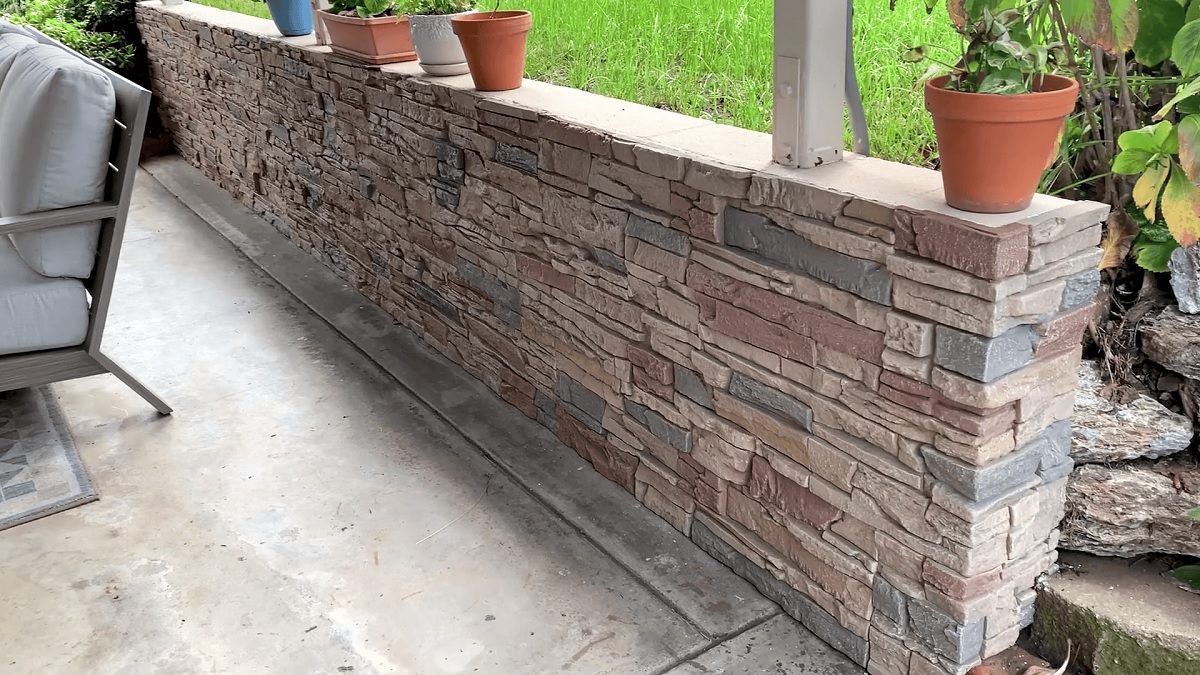
Creating a beautiful and functional outdoor space requires more than just plants and pathways. Retaining walls play a key role in controlling soil erosion, defining garden areas, and adding visual appeal. Faux retaining wall panels have emerged as an innovative solution that combines the aesthetic charm of traditional stone or brick with modern ease of installation and maintenance. These panels offer homeowners and landscapers an opportunity to enhance their outdoor areas without the cost and labor associated with conventional masonry.
Benefits of Faux Retaining Wall Panels
Faux retaining wall panels provide the visual impact of stone, brick, or wood while offering several practical advantages. Unlike traditional materials, these panels are lightweight and easier to handle, reducing the effort required during installation. Their modular design allows for quicker assembly, making them ideal for both DIY projects and professional landscaping.
Durability is another key benefit. High-quality faux panels are constructed from materials resistant to moisture, UV rays, and temperature fluctuations, ensuring long-lasting performance. They maintain their appearance without the need for sealing or regular upkeep, which is often required with natural stone or wood. Faux retaining wall panels are designed to withstand the elements, keeping your landscape looking polished year-round.
Aesthetic flexibility is also a significant advantage. These panels come in a wide range of textures, colors, and styles, allowing homeowners to match the overall design of their yard. Whether you prefer a classic stacked stone look, a rustic timber effect, or a contemporary geometric pattern, faux retaining wall panels provide options that complement any outdoor space. By combining function and style, these panels enhance both the utility and beauty of landscaping projects.
Installation and Design Considerations
Installing faux retaining wall panels requires planning to achieve both structural integrity and visual appeal. It begins with selecting a suitable location and preparing a level base. Ensuring proper drainage is essential to prevent water accumulation behind the wall, which could compromise stability. Many panels are designed to integrate easily with gravel, sand, or concrete bases, simplifying the preparation process.
The modular nature of faux retaining wall panels allows for versatile designs. They can be arranged in straight lines, curves, or layered patterns to create dynamic features within a garden. Some panels are designed with interlocking mechanisms, ensuring a secure fit while maintaining a seamless appearance. This design flexibility allows homeowners and designers to create walls that complement the natural contours of their landscape.
Proper support is essential for retaining walls, even when using lightweight faux panels. Depending on the height and purpose of the wall, additional reinforcement such as stakes, brackets, or structural backfill may be necessary. Following manufacturer guidelines ensures that the panels not only look authentic but also perform their intended function safely and effectively. Faux retaining wall panels make it easier to achieve these results without the intensive labor traditionally associated with masonry construction.
Advantages Over Traditional Materials
Faux retaining wall panels offer several advantages over traditional stone, brick, or timber walls. The reduced weight of these panels minimizes transportation costs and installation time, making them a cost-effective option for many homeowners. Unlike natural stone, faux panels can be cut or shaped to fit specific spaces without specialized tools, offering greater adaptability.
Maintenance requirements are also lower. Natural materials may require sealing, repointing, or treatment to prevent decay, while faux retaining wall panels resist fading, cracking, and water damage. This durability translates into long-term savings and ensures that your landscape maintains its aesthetic appeal with minimal effort.
Environmental considerations also play a role. Many faux panels are made from sustainable or recycled materials, reducing the environmental impact compared to quarried stone or harvested wood. Homeowners seeking eco-friendly landscaping options can achieve the desired look while minimizing resource consumption. By providing these functional and environmental benefits, faux retaining wall panels have become a popular alternative to traditional wall construction methods.
Enhancing Your Outdoor Space
Faux retaining wall panels transform outdoor spaces by combining form and function. They create defined garden areas, support slopes, and add visual interest without the extensive labor of traditional masonry. Their versatility allows them to be used in flower beds, terraces, or even as standalone accent walls, enhancing the overall design of your backyard or commercial landscape.
Choosing high-quality faux retaining wall panels ensures that your investment not only improves the appearance of your space but also provides lasting durability. By integrating these panels into a well-thought-out landscaping plan, homeowners can achieve a cohesive, professional look that elevates their outdoor living areas. The combination of style, functionality, and ease of installation makes faux retaining wall panels an ideal choice for anyone looking to enhance their landscape effectively and efficiently.