

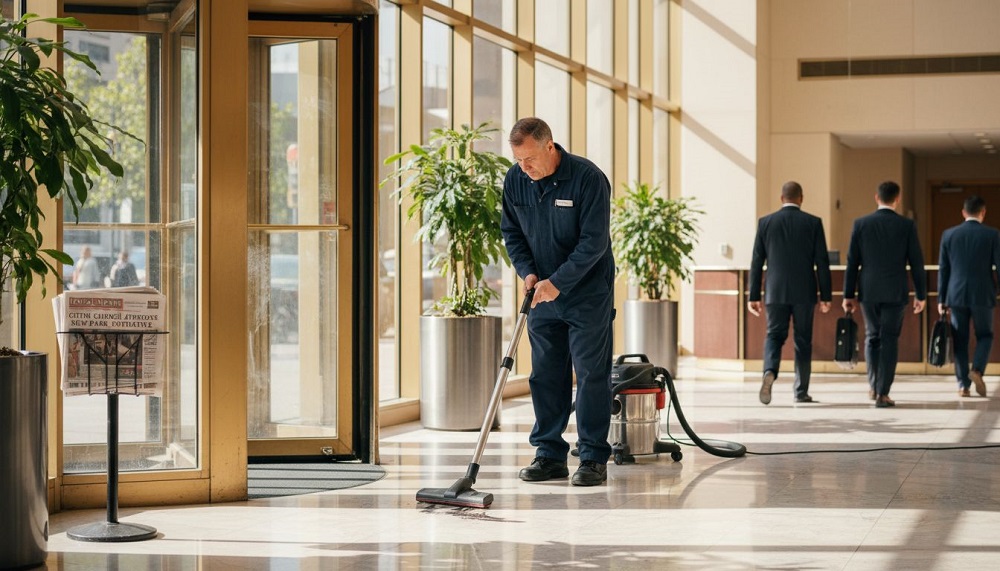
Operating a successful commercial property requires constant attention to logistics, tenant relations, operational costs, and safety standards. Among the wide range of facility management responsibilities, regular commercial cleaning is often viewed merely as a routine maintenance expense. However, a clean and sanitized facility is a foundational operational requirement that directly influences financial performance, public reputation, risk management, and workforce productivity.
Whether managing a multi-tenant corporate office, a retail storefront, a medical center, or an industrial warehouse, facility cleanliness shapes how a business is perceived by customers and prospective partners. Maintaining consistent cleaning standards protects structural assets, prevents workplace illness, supports regulatory compliance, and extends the operational life of interior fixtures.
Protecting Brand Image and Professional First Impressions
First impressions occur within seconds of a visitor crossing the threshold of a building. The physical state of a commercial property acts as a direct reflection of the operational competence and professionalism of the businesses housed inside.
-
Foyer and Entryway Presentation: High-traffic entry points accumulate exterior debris, street salt, mud, and dust. Pristine floors, smudge-free glass entry doors, and spotless reception desks immediately communicate care and reliability to visiting clients.
-
Restroom Sanitation Standards: Restroom cleanliness is one of the primary benchmarks visitors use to judge commercial establishments. Lingering odors, empty soap dispensers, and water-stained counters leave a lasting negative impression that can undermine otherwise positive business relationships.
-
Elevator and Common Corridor Upkeep: Fingerprints on stainless steel elevator panels, scuffed baseboards, and stained corridor carpets signal deferred maintenance, reducing perceived property value for prospective tenants or corporate clients.
When a property is consistently clean, it elevates brand credibility, preserves tenant satisfaction, and creates a welcoming atmosphere that reinforces high operational standards.
Enhancing Workplace Health and Reducing Absenteeism
Shared commercial environments are natural breeding grounds for bacteria, viruses, and environmental allergens. When high-touch surfaces and shared amenities are neglected, illness spreads rapidly through a workforce, leading to preventable absenteeism and reduced output.
-
Sanitization of High-Touch Surfaces: Elevator buttons, stair railings, door handles, shared conference tables, breakroom appliances, and light switches collect pathogens continuously throughout the workday. Daily targeted disinfection breaks the chain of microbial transmission.
-
Indoor Air Quality Management: Commercial buildings accumulate dust mites, pollen, chemical residues, and mold spores within upholstery, carpet fibers, and HVAC vents. Regular commercial vacuuming using certified HEPA filtration systems removes airborne particulates, reducing allergy symptoms, asthma flare-ups, and respiratory fatigue among building occupants.
-
Breakroom and Food Preparation Hygiene: Office kitchens and dining spaces require rigorous degreasing and surface sanitization to prevent foodborne pathogens like Salmonella and E. coli, while keeping shared refrigerators free from biological contamination.
Investing in structured daily cleaning directly safeguards employee well-being, lowering sick leave usage and keeping daily operations running at full capacity.
Preserving Commercial Assets and Extending Facility Lifespans
Commercial interior finishes, flooring, fixtures, and mechanical systems represent substantial capital investments. Dirt, grit, and abrasive particles act like sandpaper against hard surfaces and textile fibers when ground under foot traffic.
-
Hard Surface Floor Longevity: Hardwood, vinyl composition tile, polished concrete, and natural stone lose their protective sealants when dust and abrasive particulates are left unmopped. Regular sweeping, damp mopping, periodic buffing, and professional resealing prevent scratches and delay costly floor replacements.
-
Carpet Fiber Integrity: Ground-in soil cuts into carpet pile backing under daily foot traffic, leading to premature fraying, matting, and discoloration. Scheduled vacuuming combined with deep hot-water extraction preserves carpet appearance and doubles its functional lifespan.
-
HVAC System Efficiency: Unchecked dust and grime clog return vents, air ducts, and internal filtration components. Keeping facility surfaces dust-free reduces the mechanical strain on HVAC units, lowers energy consumption, and prevents premature motor failures.
-
Window Seals and Glass Maintenance: Acid rain, hard water deposits, and environmental pollutants can permanently etch commercial glass and degrade rubber seals if left unwashed, turning routine cleaning into expensive glass restoration projects.
By treating cleaning as proactive asset management, property owners minimize capital expenditure requirements and prevent premature property depreciation.
Mitigating Safety Hazards and Regulatory Liability
Commercial property owners and facility managers face strict legal obligations regarding premises liability, occupational health, and sanitation codes. Failure to maintain cleanliness can result in severe legal and financial consequences.
| Hazard Area | Operational Risk | Commercial Cleaning Solution |
| Wet Floor Surfaces | Slips, trips, and severe personal injury claims | Rapid spill response, moisture-wicking floor mats, and safety signage |
| Blocked Hallways and Exits | OSHA violations and fire code non-compliance | Systematic waste disposal, box clearing, and corridor decluttering |
| Food Debris and Trash | Pest infestations (rodents, roaches, and flies) | Nightly trash removal, pest-deterrent sanitization, and dumpster washing |
| Unsanitary Restrooms | Health department fines and business closure orders | Continuous disinfection schedules, grout scrub downs, and touchless dispensing |
Adhering to rigorous cleaning schedules provides documented proof of due diligence, protecting property owners from costly liability lawsuits, insurance claim disputes, and government citations.
Boosting Employee Morale and Operational Focus
The physical environment exerts a strong psychological influence on workforce productivity and organizational culture. A cluttered, dusty, or unorganized office environment creates subtle cognitive friction that undermines employee morale.
-
Minimizing Cognitive Clutter: Clean, organized workstations and uncluttered common areas allow employees to concentrate on core job duties without the distraction of disorganized physical surroundings.
-
Demonstrating Organizational Value: When management invests in a spotless, hygienic working environment, employees feel respected and valued, which strengthens job satisfaction and company loyalty.
-
Eliminating Internal Cleaning Friction: In the absence of dedicated commercial cleaning staff, employees are often forced to handle basic janitorial duties like taking out trash or scrubbing shared sinks. This creates interpersonal friction, pulls skilled staff away from high-value tasks, and breeds resentment.
A professionally maintained workplace sets a high psychological standard, encouraging team members to take pride in their work environment and conduct their responsibilities with greater discipline.
Developing a Structured Commercial Cleaning Schedule
A successful cleaning program relies on an organized framework that balances daily surface maintenance with periodic deep cleaning.
-
Daily Maintenance Tasks: Emptying all waste and recycling receptacles, disinfecting high-touch door handles and light switches, sweeping and mopping hard floors, sanitizing restroom fixtures, restocking paper goods, and cleaning breakroom counters.
-
Weekly Deep Upkeep: Vacuuming high-pile carpets, polishing glass partitions and entryways, wiping down baseboards, dusting window sills, and degreasing microwave interiors and shared refrigerators.
-
Monthly and Quarterly Restorations: Machine scrubbing and waxing hard surface floors, performing hot water carpet extraction, dusting high ceilings and air vents, cleaning exterior windows, and sanitizing upholstered office furniture.
Following a reliable schedule ensures that no part of the building is neglected and guarantees consistent cleanliness across all seasons.
Frequently Asked Questions
How does green or eco-friendly commercial cleaning differ from standard cleaning protocols?
Green cleaning uses non-toxic, biodegradable cleaning chemicals, microfiber textiles, and high-efficiency particulate air equipment that minimize environmental harm and reduce chemical vapor emissions. This approach improves indoor air quality without leaving harsh chemical residues that can cause headaches or skin irritation among building occupants.
What is the technical difference between sanitizing and disinfecting in a commercial facility?
Sanitizing reduces the number of bacteria on a surface to a safe level as determined by public health standards, typically through light chemical applications. Disinfecting uses specialized, EPA-registered chemical solutions to destroy virtually all pathogenic microorganisms, viruses, and fungi on inanimate surfaces, requiring specific wet dwell times to be fully effective.
How do commercial cleaning service providers typically structure pricing and scope of work?
Commercial cleaning contracts are generally priced based on total square footage, facility type, cleaning frequency, and required labor hours. Service scopes are defined through a detailed master service agreement that outlines explicit daily, weekly, and monthly tasks, consumable restocking responsibilities, and key performance metrics.
What certifications or credentials should building managers look for in a commercial cleaning company?
Building managers should verify comprehensive general liability insurance, workers compensation coverage, and bonding. Additionally, look for industry credentials such as the Cleaning Industry Management Standard certification from the International Sanitary Supply Association, which verifies operational competence and quality control standards.
How does routine commercial cleaning influence fire safety compliance?
Regular commercial cleaning removes combustible dust accumulations from drop ceilings and mechanical rooms, clears discarded packaging from emergency exits, and ensures that electrical panels and emergency strobe lights remain unobstructed, satisfying local fire marshal inspection mandates.
What specialized cleaning protocols are required for sensitive areas like server rooms and data centers?
Server rooms require specialized antistatic cleaning methods to prevent electrostatic discharge that can destroy sensitive electronic components. Technicians use specialized non-conductive vacuums with ultra-low particulate air filters and lint-free microfiber materials, avoiding liquid cleaning agents near critical rack hardware.
How often should high-traffic commercial carpets undergo hot water extraction?
High-traffic commercial corridors and main entrance zones should undergo professional hot water extraction every three to six months. Moderate-traffic administrative zones can typically be maintained with deep extraction once or twice annually, supported by regular daily vacuuming and immediate spot treatment.