

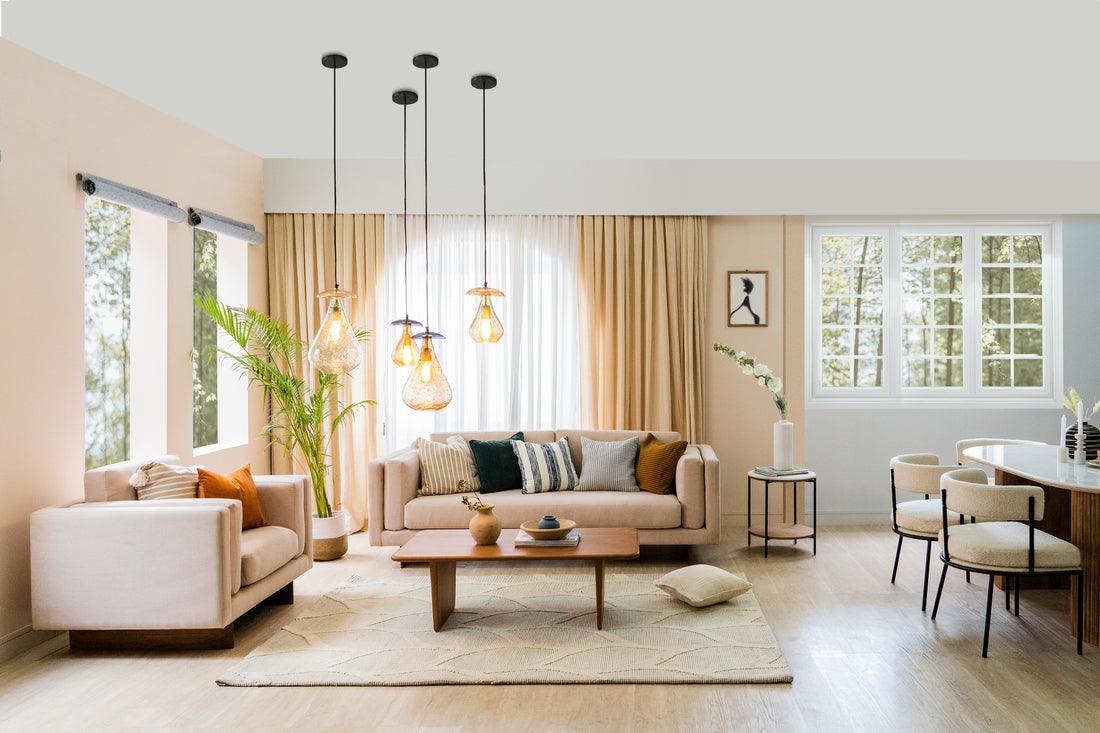
Furniture is more than just a practical necessity; it represents style, comfort, and personality within any space. From residential homes to corporate offices, furniture plays a crucial role in defining environments, enhancing functionality, and influencing the well-being of those who interact with it. This comprehensive guide explores the history, types, materials, design trends, maintenance, and modern innovations in furniture, providing detailed insights for homeowners, designers, and industry professionals.
The Importance of Furniture in Everyday Life
Furniture serves both functional and aesthetic purposes, providing comfort, organization, and identity to a space.
Functional Significance
At its core, furniture facilitates everyday activities:
- Seating and Rest: Chairs, sofas, and benches support comfort and relaxation in living rooms, offices, and public spaces.
- Storage Solutions: Cabinets, shelves, and wardrobes keep items organized, minimizing clutter.
- Work and Productivity: Desks, workstations, and ergonomic office chairs enhance efficiency and support healthy postures.
Aesthetic and Emotional Impact
Well-chosen furniture contributes to the overall atmosphere of a space:
- Style and Personality: Modern, traditional, or minimalist furniture reflects personal taste and lifestyle.
- Mood Enhancement: Color, texture, and design influence perception and emotional response, creating welcoming or professional environments.
- Cultural Representation: Traditional or handcrafted furniture often carries cultural heritage, adding uniqueness to interiors.
Types of Furniture
Furniture is categorized by its use, design, and location within a space. Understanding these types helps in selecting pieces that meet both functional and aesthetic requirements.
Residential Furniture
Residential furniture caters to comfort and practicality in homes:
- Living Room Furniture: Sofas, recliners, coffee tables, entertainment units, and side tables create a cohesive and functional living space.
- Bedroom Furniture: Beds, nightstands, wardrobes, and dressers ensure comfort and organization.
- Dining Room Furniture: Dining tables, chairs, bar stools, and buffets facilitate meals and social gatherings.
- Outdoor Furniture: Patio sets, garden benches, and lounge chairs withstand weather conditions while enhancing outdoor aesthetics.
Office and Commercial Furniture
Office and commercial furniture focuses on productivity, ergonomics, and durability:
- Desks and Workstations: Designed to support computers, office equipment, and paperwork efficiently.
- Seating: Ergonomic chairs reduce strain and improve posture for employees spending long hours seated.
- Storage Units: Filing cabinets, shelving systems, and lockers organize documents and office essentials.
- Collaborative Furniture: Conference tables, lounge seating, and modular systems encourage teamwork and flexibility.
Specialized Furniture
Certain furniture pieces cater to niche requirements or advanced functionality:
- Convertible and Modular Furniture: Multi-purpose pieces like sofa beds, extendable tables, and modular shelving adapt to limited spaces.
- Custom Furniture: Tailored designs for unique spaces, combining aesthetics and specific functional needs.
- Smart Furniture: Integrated with technology such as USB charging ports, wireless charging surfaces, or IoT-enabled desks and beds.
- Luxury and Designer Furniture: Crafted from premium materials, emphasizing exclusivity, innovation, and artistry.
Materials Used in Furniture
The choice of material impacts furniture durability, appearance, comfort, and maintenance requirements.
Wood
Wood remains a timeless and versatile material:
- Solid Wood: Durable and robust, commonly used in high-end furniture; includes oak, walnut, maple, and teak.
- Engineered Wood: Plywood, MDF, and particleboard offer affordability while allowing intricate designs.
- Finishes and Treatments: Staining, varnishing, and laminating enhance aesthetics and longevity.
Metal
Metal furniture provides strength and modern appeal:
- Steel and Iron: Common in industrial, commercial, and outdoor furniture for structural integrity.
- Aluminum: Lightweight and corrosion-resistant, suitable for modern and outdoor designs.
- Brass and Copper: Decorative metals often used for accents, handles, and luxury furniture.
Glass
Glass enhances visual space and adds elegance:
- Tempered Glass: Stronger and safer for tables, shelves, and cabinet doors.
- Frosted or Tinted Glass: Adds privacy and aesthetic variation in modern designs.
- Combination Designs: Glass paired with wood or metal creates sophisticated, balanced furniture pieces.
Fabric and Leather
Textiles and leather influence comfort, texture, and style:
- Natural Fabrics: Cotton, linen, and wool provide softness and breathability.
- Synthetic Fabrics: Polyester, microfiber, and faux leather offer durability and stain resistance.
- Genuine Leather: Premium seating and decor, known for durability, elegance, and luxurious feel.
- Vegan Leather: Eco-friendly alternatives gaining popularity for sustainability-conscious consumers.
Design Principles in Furniture
Furniture design integrates functionality, ergonomics, and visual appeal to create harmonious interiors.
Ergonomics
Ergonomic furniture reduces physical strain and promotes health:
- Seating Design: Adjustable chairs with lumbar support prevent back pain.
- Desk Height and Layout: Correct desk height reduces neck and wrist strain.
- Modular Configurations: Adaptable layouts cater to varied body types and usage scenarios.
Style and Aesthetic
Design styles influence mood and perception:
- Modern: Minimalist lines, neutral colors, and sleek surfaces.
- Traditional: Ornate detailing, wood finishes, and classic shapes.
- Industrial: Exposed metals, raw wood, and robust construction.
- Scandinavian: Clean lines, light colors, and functional simplicity.
- Eclectic: Mix of styles, textures, and colors reflecting individuality.
Space Optimization
Furniture design considers spatial efficiency:
- Multi-Purpose Pieces: Furniture that serves multiple functions reduces clutter in small areas.
- Modular Systems: Interchangeable units allow flexible arrangements.
- Built-In Furniture: Wall units, under-bed storage, and integrated shelving maximize usable space.
Maintenance and Longevity
Proper care extends the lifespan and appearance of furniture:
Cleaning Techniques
- Wood: Dust regularly and polish with appropriate products; avoid excessive water.
- Metal: Wipe with damp cloths, prevent rust, and apply protective coatings if needed.
- Glass: Use glass cleaners to avoid streaks; handle tempered glass carefully.
- Fabric and Leather: Vacuum upholstery, clean spills promptly, and condition leather to prevent cracking.
Environmental Considerations
- Temperature and Humidity: Maintain stable indoor climates to prevent warping or cracking in wood.
- Sunlight Exposure: Direct sunlight can fade colors and deteriorate materials.
- Weight Distribution: Avoid overloading shelves, chairs, or storage units to prevent structural damage.
Repairs and Upgrades
- Reupholstering: Refresh worn fabric or leather on seating furniture.
- Refinishing: Sanding and varnishing wooden surfaces restore appearance.
- Hardware Replacement: Handles, knobs, and hinges may require periodic replacement for functionality and aesthetics.
Sustainable and Eco-Friendly Furniture
Sustainability is increasingly important in furniture production and consumption:
- Reclaimed Wood: Reduces deforestation and adds character with unique textures.
- Recycled Materials: Metal, plastic, and composite materials reduce environmental impact.
- Eco-Friendly Manufacturing: Low-emission processes and non-toxic finishes improve environmental safety.
- Durability over Trend: Investing in long-lasting furniture minimizes waste and replacement frequency.
Innovations in Modern Furniture
The furniture industry continuously evolves, integrating technology and advanced materials:
- Smart Furniture: Desks with wireless charging, beds with sleep monitoring, and sofas with integrated speakers.
- 3D Printing: Custom, intricate furniture components and prototypes can be produced efficiently.
- Lightweight Modular Systems: Easy-to-move and reconfigure furniture suits flexible living and work environments.
- Sustainable Tech: Bio-based materials and low-energy production processes reduce environmental footprint.
FAQs About Furniture
Q1: How do I choose furniture that fits both my space and lifestyle?
Consider room dimensions, intended function, lifestyle needs, and personal style. Measure spaces carefully, and select pieces that balance aesthetics with practicality.
Q2: What is the best material for long-lasting furniture?
Solid wood and high-quality metal are generally the most durable, while engineered wood and synthetic materials can offer affordability with moderate durability.
Q3: How can I make small rooms appear larger with furniture?
Use modular or multi-purpose furniture, opt for lighter colors, and choose pieces with open or raised legs to create a sense of space.
Q4: How often should furniture be maintained?
Routine cleaning weekly or bi-weekly is recommended, while deeper maintenance, refinishing, or professional cleaning can be scheduled annually or as needed.
Q5: What is the difference between custom and off-the-shelf furniture?
Custom furniture is tailored to specific dimensions, design, and functional needs, while off-the-shelf furniture is mass-produced and standardized for general use.