

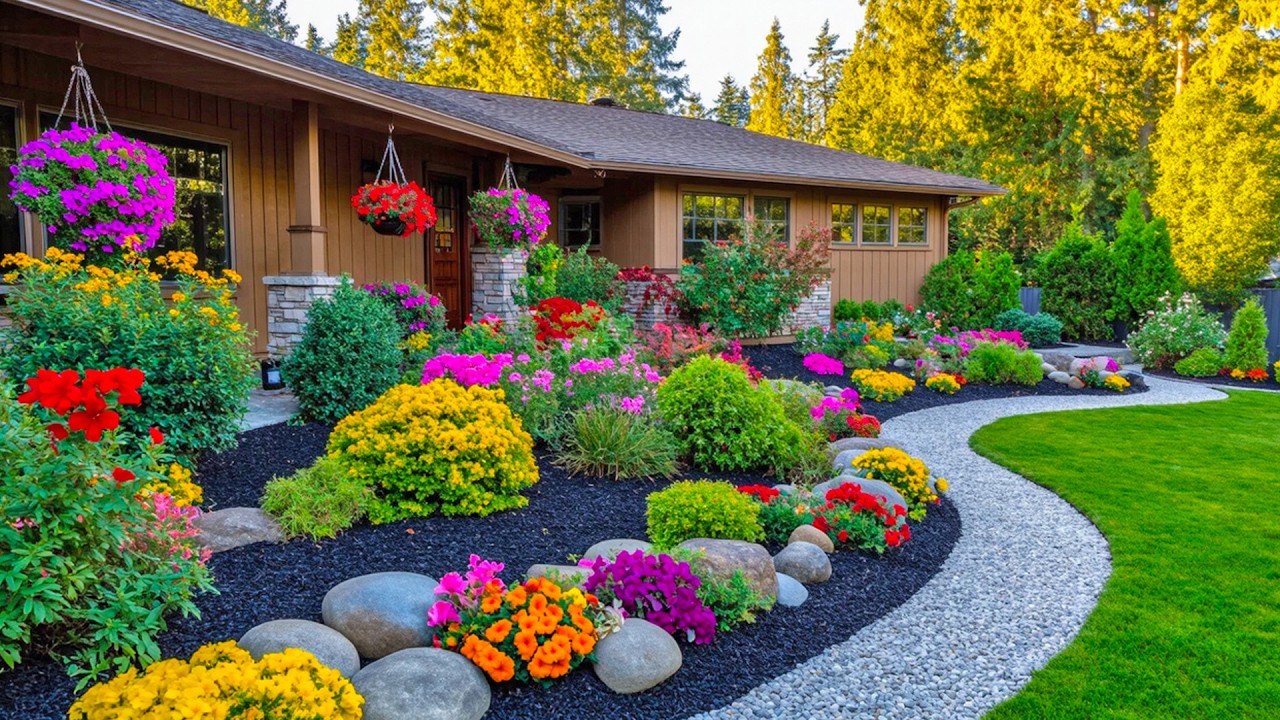
Gardens are much more than decorative outdoor spaces; they are ecosystems, sources of relaxation, and hubs for social and family gatherings. A well-designed garden enhances the aesthetic appeal of a property, supports biodiversity, and improves mental and physical well-being. Understanding the fundamentals of garden design, maintenance, and modern innovations is crucial for homeowners, landscapers, and gardening enthusiasts who aim to create beautiful, functional, and sustainable outdoor spaces.
The Significance of a Garden
Gardens serve multiple purposes that go beyond beauty. Their design and upkeep directly influence lifestyle quality and environmental health.
Aesthetic and Lifestyle Benefits
- Visual Appeal: Gardens provide vibrant colors, textures, and forms, creating an inviting atmosphere.
- Relaxation and Mental Health: Studies show that interacting with green spaces reduces stress, improves focus, and enhances mood.
- Social Spaces: Patios, seating areas, and outdoor kitchens integrated into gardens encourage social interaction and family gatherings.
Environmental Impact
- Biodiversity Support: Gardens can attract pollinators such as bees, butterflies, and birds, supporting local ecosystems.
- Air and Water Quality Improvement: Plants absorb carbon dioxide, release oxygen, and filter pollutants.
- Climate Moderation: Strategic tree planting and green coverage reduce heat and provide natural cooling to surrounding buildings.
Types of Gardens
Gardens are diverse in form and function. The selection depends on space, climate, lifestyle, and desired use.
Residential Gardens
- Flower Gardens: Designed primarily for visual appeal using perennials, annuals, and ornamental shrubs.
- Vegetable and Herb Gardens: Provide fresh produce while promoting sustainable living and self-sufficiency.
- Backyard Retreats: Incorporate water features, seating, and decorative plants to create relaxing spaces.
- Rooftop Gardens: Ideal for urban homes, offering greenery, insulation, and a stress-relieving environment.
Public and Community Gardens
- Urban Parks: Serve as recreational spaces for cities, combining green lawns, walking trails, and playgrounds.
- Community Gardens: Encourage local engagement, social interaction, and urban agriculture.
- Botanical Gardens: Focus on plant conservation, research, and educational purposes.
Specialty Gardens
- Zen and Japanese Gardens: Emphasize harmony, simplicity, and natural elements such as rocks, water, and gravel patterns.
- Mediterranean Gardens: Utilize drought-tolerant plants, stone pathways, and olive or citrus trees for a low-maintenance aesthetic.
- Vertical Gardens: Wall-mounted systems for urban spaces with limited ground area, often combining ornamental and edible plants.
- Sensory Gardens: Designed to engage all senses, incorporating aromatic plants, textured foliage, and sound elements like water features.
Essential Elements of Garden Design
Creating a functional and visually pleasing garden requires careful planning and understanding of design principles.
Layout and Space Planning
- Zones and Functionality: Define areas for seating, planting, pathways, and recreational activities.
- Flow and Accessibility: Ensure smooth movement, using curved or straight paths strategically.
- Proportion and Scale: Consider the size of plants and structures relative to available space to maintain balance.
Plant Selection and Arrangement
- Climate Compatibility: Select plants suited to local temperature, rainfall, and soil conditions.
- Seasonal Interest: Include plants with varying bloom times to ensure year-round appeal.
- Companion Planting: Group compatible plants to improve growth, deter pests, and enhance aesthetics.
Hardscaping and Structural Features
- Pathways and Patios: Provide functional walking areas and seating spaces.
- Fencing and Borders: Define garden boundaries, add privacy, and enhance visual appeal.
- Water Features: Ponds, fountains, and waterfalls contribute tranquility and attract wildlife.
- Lighting: Strategically placed lighting enhances safety, extends usability, and highlights key features at night.
Soil and Irrigation Considerations
- Soil Quality: Healthy soil supports plant growth; consider composting, mulching, and soil testing.
- Irrigation Systems: Drip irrigation, soaker hoses, and automated sprinklers conserve water while ensuring efficient watering.
- Drainage: Proper drainage prevents waterlogging and root rot, crucial for long-term plant health.
Garden Maintenance Strategies
Maintaining a thriving garden involves regular attention, knowledge of plant care, and preventative measures.
Routine Care
- Watering: Frequency depends on plant type, soil quality, and weather conditions.
- Pruning and Trimming: Encourages healthy growth, improves shape, and removes dead or diseased parts.
- Weeding: Prevents competition for nutrients and maintains a clean appearance.
- Fertilizing: Provides essential nutrients to promote growth and flowering.
Seasonal Tasks
- Spring: Soil preparation, planting, mulching, and pest control.
- Summer: Regular watering, pruning, and protection from extreme heat.
- Autumn: Leaf removal, planting bulbs, and preparing soil for winter.
- Winter: Protect sensitive plants, prune dormant trees, and plan for next season’s crops.
Pest and Disease Management
- Integrated Pest Management: Combines biological, mechanical, and chemical methods to control pests sustainably.
- Organic Solutions: Use neem oil, insecticidal soaps, or companion planting to naturally deter pests.
- Regular Monitoring: Early detection of disease prevents widespread damage.
Sustainable Gardening Practices
Sustainability is integral to modern gardening, reducing environmental impact while promoting healthy ecosystems.
- Composting: Converts kitchen scraps and yard waste into nutrient-rich soil.
- Rainwater Harvesting: Collecting and storing rainwater for irrigation conserves resources.
- Native Plant Use: Reduces water and maintenance needs while supporting local wildlife.
- Mulching: Retains soil moisture, reduces weeds, and improves soil quality.
- Organic Fertilizers: Avoids chemical runoff, protecting soil and water quality.
Modern Innovations in Gardening
Gardening technology has advanced, making maintenance easier and more efficient while enhancing aesthetics and sustainability.
- Smart Irrigation Systems: Automated watering based on soil moisture and weather patterns conserves water.
- Vertical Farming and Green Walls: Maximize plant density in limited spaces while improving air quality.
- LED Grow Lights: Extend growing seasons indoors or in low-light areas.
- Garden Monitoring Sensors: Track soil pH, moisture, and temperature for optimized plant health.
- Eco-Friendly Materials: Recycled plastics, composite decking, and biodegradable planters reduce environmental footprint.
Landscaping Trends and Styles
Current gardening trends focus on blending functionality, sustainability, and aesthetic innovation.
- Edible Landscaping: Combining ornamental plants with fruits, vegetables, and herbs for both beauty and utility.
- Pollinator-Friendly Gardens: Attract bees, butterflies, and birds to support biodiversity.
- Low-Maintenance Gardens: Use drought-tolerant plants, ground covers, and hardscaping to reduce upkeep.
- Outdoor Living Integration: Incorporating kitchens, seating, and entertainment areas into garden spaces.
- Naturalistic Gardens: Mimicking natural landscapes with wildflowers, native plants, and irregular pathways.
FAQs About Gardening
Q1: How do I start a garden if I have limited space?
Utilize container gardening, vertical gardens, or rooftop planters to maximize small areas. Select plants suitable for the available sunlight and use modular systems for flexibility.
Q2: What are the most low-maintenance plants for a garden?
Native perennials, succulents, ornamental grasses, and drought-tolerant shrubs require minimal watering and care.
Q3: How often should I fertilize my garden?
Frequency depends on plant type and soil quality, but generally, fertilizing 2–4 times per growing season ensures nutrient availability. Organic compost can supplement fertilization naturally.
Q4: How can I attract pollinators to my garden?
Plant nectar-rich flowers, provide shallow water sources, avoid pesticides, and include nesting areas for bees and insects.
Q5: Can a garden improve mental health?
Yes. Gardening reduces stress, promotes mindfulness, encourages physical activity, and fosters a sense of accomplishment. Studies show exposure to green spaces positively affects mood and cognitive function.
Q6: What is the best way to protect my garden from extreme weather?
Use windbreaks, mulching, frost covers, shade cloths, and proper irrigation techniques. Choose hardy plants adapted to local climate conditions.
Q7: Are sustainable gardens expensive to set up?
Initial costs may be higher for features like rainwater harvesting, organic soil amendments, or native plant installations, but long-term maintenance is lower, making them cost-effective over time.
Gardening is both an art and a science, requiring careful planning, design, and care. By understanding plant needs, environmental impact, and modern innovations, anyone can cultivate a garden that is not only beautiful but also sustainable, functional, and mentally rewarding. Whether creating a small balcony garden or designing a sprawling backyard landscape, thoughtful approaches to layout, plant selection, and maintenance ensure a thriving and aesthetically pleasing outdoor space